 Save
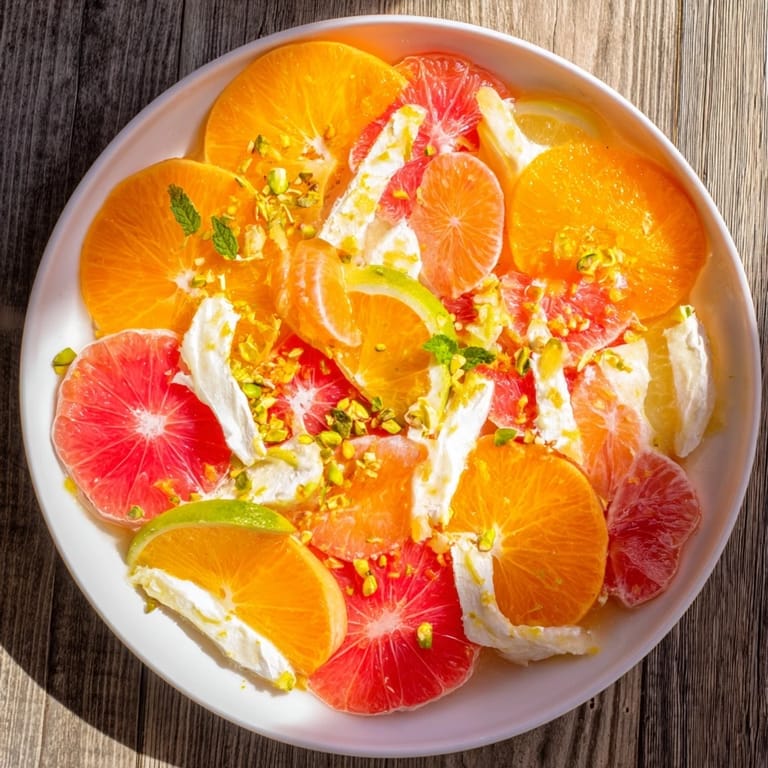
Save My friend Sarah threw a dinner party on a whimsical Tuesday evening, and I arrived with the vague idea of bringing something that would make people smile before they even tasted it. The thought hit me while scrolling through a design blog: what if a cheese board could tell time? Within minutes, I was sketching a clock face on a napkin, planning citrus slices as hours and cheese strips as hands. What started as a silly concept became one of those dishes that people still talk about months later, not because it's complicated, but because it's playful enough to spark conversation the moment you set it down.
I made this for my nephew's art class celebration, and watching him light up when he recognized the clock concept was the real payoff. His friends circled around it like it was precious, taking photos before anyone touched anything, which rarely happens with food at a teenage gathering. That's when I realized this dish does something most appetizers don't: it gives people permission to play with their food.
Ingredients
- Large orange: The warm, sunny foundation of your clock face; slice it thin enough to see light through it, and the natural sweetness anchors the whole arrangement.
- Blood orange: Those deep burgundy tones are what make people pause and actually look at what they're eating; don't skip it just because it sounds exotic.
- Grapefruit: The pale pink or white slices add contrast and a gentle bitterness that wakes up the palate between bites of cheese.
- Clementines: Small, jewel-like rounds that fill the spaces and taste like sunshine; peel them carefully so you can showcase that bright color.
- Lemon: Thin slices here are more about visual pop than flavor, though that subtle tartness helps balance the richness of the cheese.
- Lime: A pale green accent that rounds out your clock and adds complexity to the overall flavor story.
- Firm goat cheese or manchego: Choose one based on what you're feeling: goat cheese brings tang and crumbles beautifully, while manchego is smooth and nutty; the choice changes the entire mood.
- Aged cheddar or gouda: This is your second cheese for depth and that satisfying firmness that lets you cut clean, straight lines for the clock hands.
- Honey: A drizzle at the center catches light and adds a touch of luxury; warm it slightly so it flows like golden time itself.
- Pistachios or walnuts: A sprinkle of crunch that nobody expects; toasted nuts add warmth and texture that changes everything about how the dish feels in your mouth.
- Fresh mint leaves: Not just decoration; brush one leaf with your thumb and you'll smell why it belongs here, fresh and alive.
- Crackers or crusty bread: Your companions for this edible clock, the vehicles that let guests build their own perfect bite.
Tired of Takeout? 🥡
Get 10 meals you can make faster than delivery arrives. Seriously.
One email. No spam. Unsubscribe anytime.
Instructions
- Prepare your citrus like you're making stained glass:
- Slice each fruit into thin, even rounds using a sharp knife, letting the blade do the work without pressure. Remove any seeds as you go so there are no surprises when someone bites through.
- Build your clock face with intention:
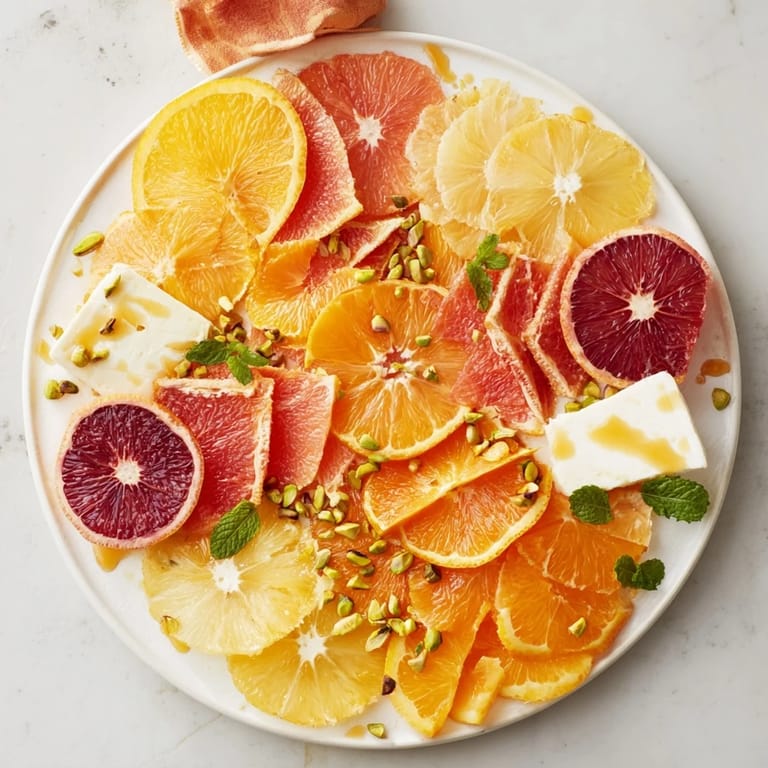
- On a large round platter, arrange your citrus slices in a circle, placing one slice at each hour position just like numbers on a clock face. Alternate your colors as you go around so no two adjacent slices are the same, which keeps the eye moving and makes the whole thing feel deliberate.
- Cut and position your cheese hands:
- Slice your two cheeses into long, narrow strips that look like actual clock hands, then arrange them at the center pointing to whatever time feels right. The firmness of manchego or aged cheddar means these will hold their shape and create a clean, graphic center point.
- Add warmth and shine:
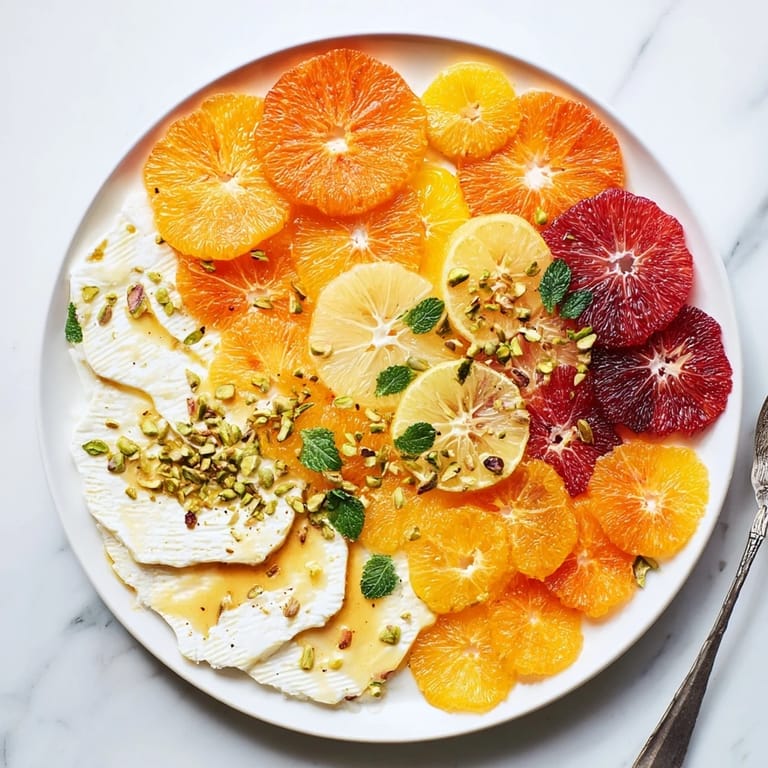
- Drizzle honey over that cheese center and let it pool slightly, then sprinkle your nuts directly into it while it's still warm so they stick. This creates a focal point that looks intentional and tastes like a small treasure.
- Finish with freshness:
- Scatter fresh mint leaves around the arrangement, tuck a few near the center, and step back to admire what you've made. The green brings everything to life and adds an aroma that hits people the moment they lean in.
- Present with confidence:
- Set your platter on a table with crackers and bread nearby, but don't explain it or apologize for it being playful. Let people discover the clock concept on their own, which always creates a better moment than if you announce it.
 Save
Save At a small dinner I hosted in early spring, someone brought this platter arrangement idea up hours after dessert, saying it was the first food they'd photographed before eating all year. That's the moment I understood that presentation isn't shallow or fussy when it actually changes how people experience a meal. This clock teaches you something about hunger and beauty existing in the same moment.
When to Serve This Clock
This works beautifully for afternoon gatherings where you want guests grazing rather than sitting, from baby showers to gallery openings to casual dinner parties where the food should feel like an event. I've learned that timing-themed food is especially perfect when you're gathering people around a specific hour or season, since the clock becomes a conversation piece that nobody expects from a simple cheese board. It also works as a stunning centerpiece that's actually meant to be eaten, which is rare and kind of magical.
The Flavor Conversation Happening Here
There's a reason this arrangement matters beyond looks: moving around a clock means you're tasting different flavor combinations as you move through each hour. The sweetness of clementine might lead to sharp goat cheese, which then transitions to the brightness of lemon and aged cheddar, so the journey around this platter is actually a journey through a flavor story. You're not just eating cheese and citrus; you're experiencing how these elements speak to each other when they're thoughtfully positioned.
Making It Yours with Variations and Moments
Once I added thin slices of prosciutto arranged like spokes between the hours, which added smoke and saltiness that made the whole thing feel more like a charcuterie moment. Another time, I scattered edible flowers across the center instead of nuts, which transformed it into something almost too beautiful to touch. The real magic is that once you understand the clock concept, you can play with it endlessly based on what you have on hand or what mood you're creating.
- Try swapping the cheese choices to blue cheese for boldness or brie for creaminess, each one changing the entire personality of the board.
- Add thin slices of cured meats, roasted vegetables, or even thinly sliced fennel to expand your clock face with new textures and tastes.
- Pair it with crisp Prosecco or dry white wine for a gathering that feels intentional and celebratory from the very first bite.
 Save
Save This platter reminds me that the best food moments are often the ones where someone realizes beauty and nourishment don't have to be separate things. Serve this, watch people smile, and know you've created something they'll remember long after the last cracker disappears.
Recipe FAQs
- → What citrus fruits are used in the platter?
The platter includes orange, blood orange, grapefruit, clementines, lemon, and lime slices for a variety of vibrant colors and flavors.
- → Which cheeses work best for this arrangement?
Firm goat cheese or manchego pairs well with aged cheddar or gouda to provide contrasting textures and rich flavors.
- → How should the citrus slices be prepared?
Slice all citrus fruits thinly and evenly, removing seeds to ensure smooth, attractive rounds for the circular layout.
- → What garnishes enhance the platter's flavor?
Drizzling honey, sprinkling chopped pistachios or walnuts, and adding fresh mint leaves bring flavor complexity and visual appeal.
- → What can be served alongside this platter?
Crackers or crusty bread complement the cheese and citrus, suitable for easy serving and added texture.