 Save
Save There's something almost magical about watching pasta bubble away in the microwave, transforming a bare bowl into a steaming dinner in under fifteen minutes. I discovered this method during a particularly chaotic week when my stovetop felt like a distant luxury, and honestly, it changed how I think about quick meals. What started as a desperate workaround became my go-to strategy whenever I'm craving something warm and comforting without the fuss. The beauty of microwave pasta is that it requires nothing but a bowl, some water, and patience—three things even the busiest person can manage. Now it's become one of those recipes I recommend to friends who swear they don't have time to cook.
I made this for my roommate at two in the morning after we'd spent the evening working on a group project, and watching her face light up when I handed her a steaming bowl of pasta made me realize comfort food doesn't need a recipe history or family story behind it. Sometimes it just needs to be there, warm and ready, when someone needs it most. That bowl of pasta became part of how we celebrated finishing that project, and now whenever she's stressed, she asks if I'll make her "microwave magic."
Ingredients
- Dried pasta (penne, fusilli, or elbow macaroni): I use about 75 grams because it expands beautifully in the microwave, and these shapes work best since they're sturdy enough not to turn mushy during the repeated heating.
- Water: You'll need 500 milliliters, and here's the trick—make sure the pasta is completely submerged or you'll end up with crunchy bits poking out of the water.
- Salt: Just half a teaspoon goes into the water, and it makes an enormous difference in the final taste even though it seems like nothing.
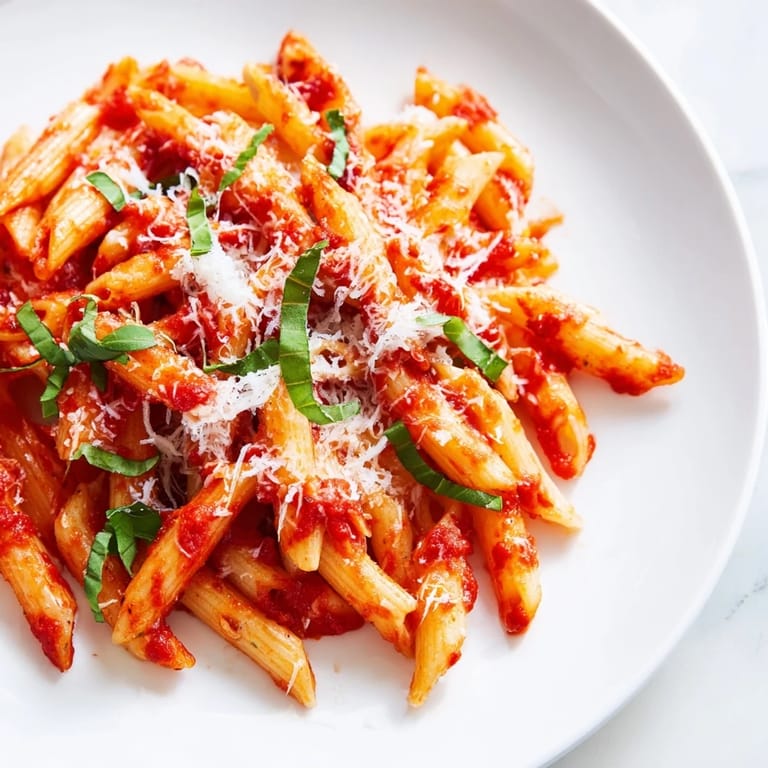
- Sauce: Use whatever you love—marinara, pesto, or Alfredo—and I've learned that room-temperature sauce actually tastes better than cold sauce because the hot pasta brings out the flavors differently.
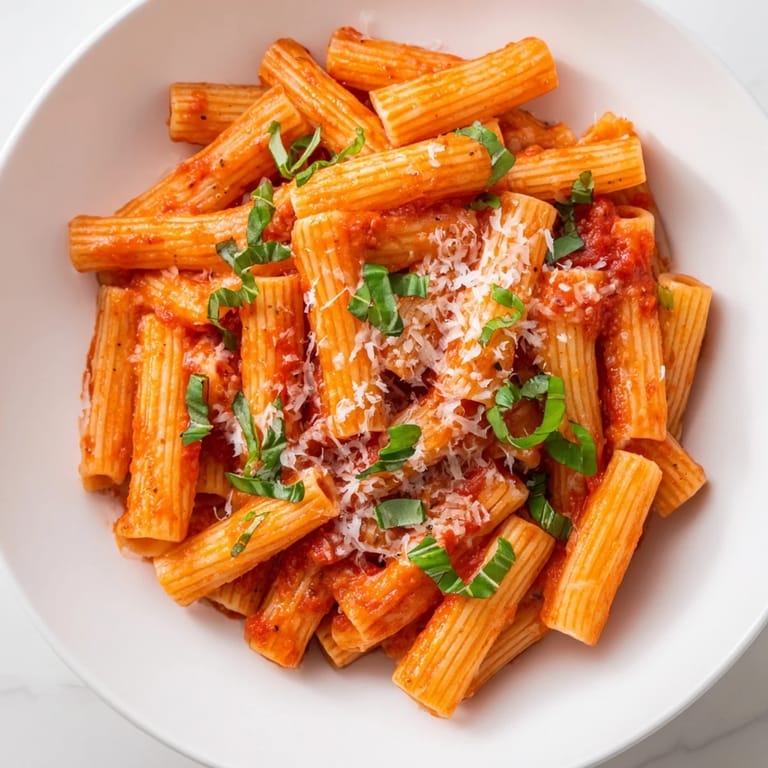
- Parmesan cheese: Optional but transforms everything, especially if you use the kind you grate yourself rather than the pre-shredded version.
- Fresh herbs: Basil or parsley adds brightness that takes this from practical to genuinely lovely.
Tired of Takeout? 🥡
Get 10 meals you can make faster than delivery arrives. Seriously.
One email. No spam. Unsubscribe anytime.
Instructions
- Combine pasta and water:
- Pour your dried pasta into a large microwave-safe bowl and add the water and salt, stirring to make sure everything is submerged and nothing's clinging to the bottom. If your pasta is trying to float above the water line, add a bit more water so it's all completely covered.
- First microwave burst:
- Microwave on high for four minutes, then carefully pull the bowl out and give it a good stir because the bottom cooks faster than the top. You'll notice the water getting starchy and cloudy, which is exactly what you want.
- Continue cooking in intervals:
- Microwave for two to three minutes at a time, stirring after each interval, until your pasta reaches that perfect al dente stage where it's tender but still has a tiny bit of resistance when you bite it. Different microwaves have different personalities, so the total time might be eight minutes or twelve—trust your instincts more than the clock.
- Check for doneness:
- Fish out a piece and taste it before you drain, because overdone pasta is one of life's small tragedies and it's so easy to avoid. If it needs more time, add just one or two more minutes rather than cooking in big chunks.
- Drain carefully:
- Use a fine-mesh sieve if you have one, or carefully tilt the bowl while using a fork to hold the pasta back from the edge. The starchy water will be hot, so move with intention and don't rush this part.
- Sauce and serve:
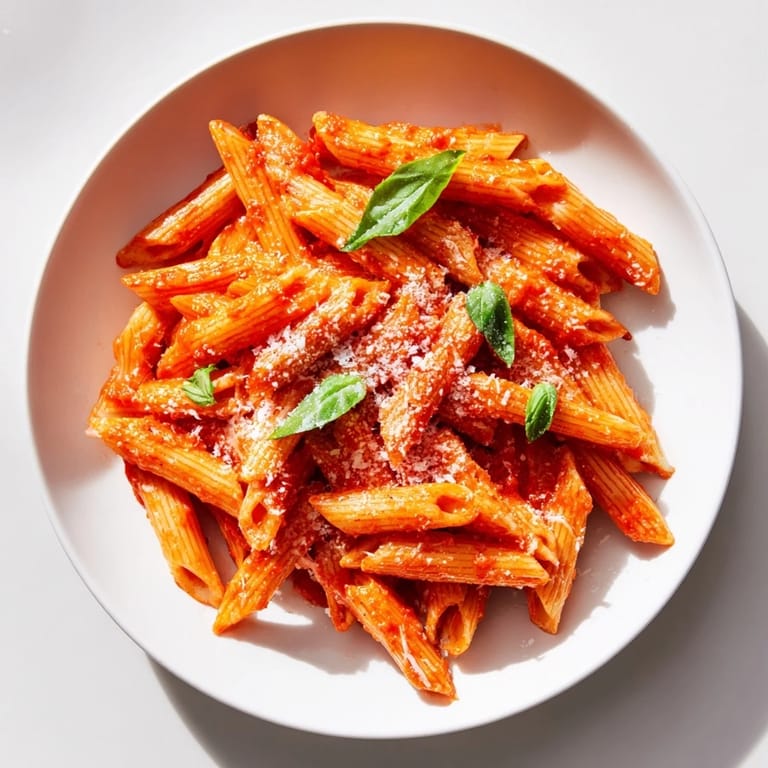
- Pour your chosen sauce directly onto the hot pasta and stir until everything is coated, then top with Parmesan and herbs if you're using them. Taste before serving and adjust salt and pepper to your preference.
 Save
Save What struck me most about this recipe was realizing that cooking doesn't need to be complicated to be satisfying—sometimes the most meaningful meals are the ones that show up when you need them, with no fanfare or pretension. This bowl of pasta became my quiet rebellion against the idea that real cooking has to happen on a stovetop.
Why This Method Works So Well
The microwave heats water more efficiently than conventional stovetops for small quantities, and pasta cooked this way somehow absorbs the starchy cooking water differently, creating a sauce that clings better to the noodles. The repeated stirring and heating intervals prevent the pasta from settling into a starchy glue at the bottom of the bowl, something that happened constantly until I realized the intermittent approach actually made better pasta. It's one of those cooking methods that seems backward until you taste the results.
Making It Your Own
I've discovered this recipe becomes something new depending on what sauce you reach for—sometimes I use store-bought marinara when I'm truly exhausted, other times I'll warm up leftovers of homemade pesto or even a simple butter and garlic sauce. The beauty is that the microwave pasta technique is just the foundation, and everything else is yours to play with. Add frozen spinach or peas in the final minutes of cooking, stir in shredded rotisserie chicken, or top with everything bagel seasoning if you're feeling adventurous.
Timing and Technique Matters
The first time I made this, I got impatient and cooked it all at once instead of in intervals, and the result was simultaneously crunchy and mushy in different spots. Learning to break the cooking into stages changed everything, even though it feels counterintuitive to keep opening the microwave instead of just letting it go. The starch that clouds your cooking water is actually a gift—it'll help your sauce cling to the pasta once it's drained and mixed in.
- Check your pasta at the eight-minute mark to understand your specific microwave's behavior.
- Keep a kitchen timer nearby because it's easy to lose track when you're stirring at intervals.
- Taste a piece before draining to guarantee the texture you actually want, not the texture you think you should want.
 Save
Save This recipe taught me that convenience and care aren't opposites—you can make something quickly and still make it thoughtfully. Whether you're cooking in a dorm room, a tiny office kitchen, or just having one of those nights where the stove feels like too much, this pasta delivers.
Recipe FAQs
- → What pasta types work best for microwave cooking?
Short pasta shapes like penne, fusilli, or elbow macaroni work well since they cook evenly and fit easily in a bowl.
- → How do I know when the pasta is done?
Check pasta after the initial microwave intervals by stirring and tasting. It should be tender but firm to the bite (al dente).
- → Can I add vegetables during cooking?
Yes, adding frozen peas or spinach in the last couple of minutes of cooking adds nutrition and flavor without extending time.
- → What is the best way to drain the pasta?
Use a fine-mesh sieve or carefully tilt the bowl while holding back pasta with a fork or spoon to drain excess water safely.
- → How can I customize the flavor after cooking?
Mix in your preferred sauce such as marinara, pesto, or Alfredo, then top with grated Parmesan cheese and fresh herbs for added taste.