 Save
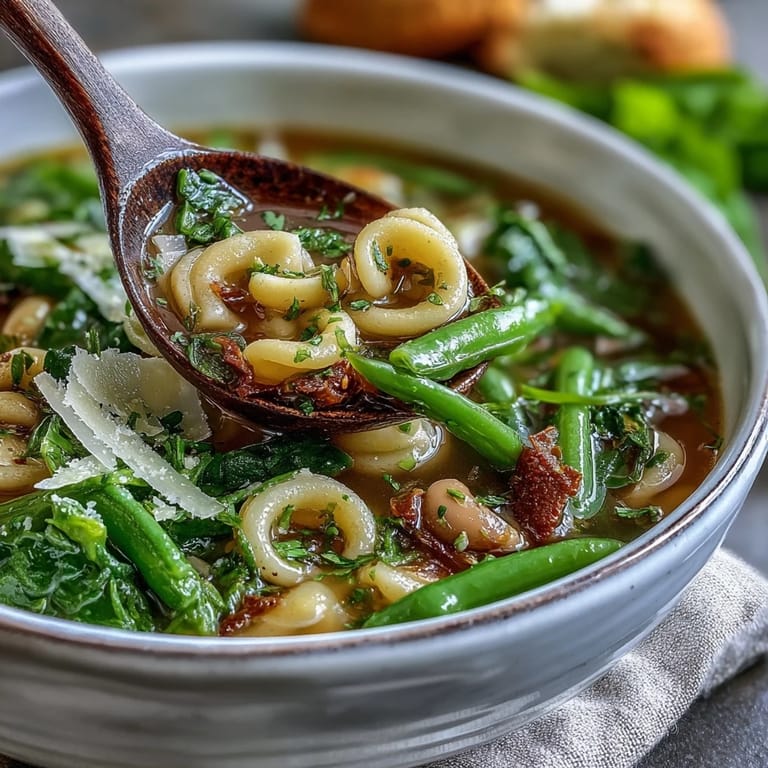
Save Sunlight streamed into my tiny kitchen the first April I decided to celebrate spring with a fresh minestrone. As I rummaged through a bustling farmers market for peas and zucchini, I could almost taste the promise of something bright and new. Bringing home an armful of greens felt like inviting the season right into my soup pot. This minestrone has since become my go-to ritual for clearing out winter and welcoming the world in color.
One rainy Saturday, I made this soup for a friend who had just moved to town. We both laughed as we tried to shell peas faster than we could eat them, the pot fogging up the windows as we talked about new beginnings. It turned out to be the tastiest ice-breaker I’ve ever served.
Ingredients
- Olive oil: Use a fruity, extra-virgin variety here; it perfumes the whole soup and even works as a gorgeous drizzle to finish.
- Onion: Finely chopping it means every bite gets just enough mellow sweetness—I've tried it chunky, but smaller pieces melt perfectly.
- Garlic: Let it sizzle until fragrant, but don’t overbrown or it gets bitter—a lesson I learned by burning it once or twice.
- Carrots and celery: This classic duo lays a sweet, earthy foundation; I like carrots a little chunky for cheerful color in the bowl.
- Zucchini: It cooks quickly and brings a subtle, vegetal flavor—wait to add it so it doesn’t turn mushy.
- Peas: Fresh if you can find them; frozen work wonderfully and keep their pop if stirred in gently.
- Baby spinach: Tossed in at the end, it wilts instantly and lends a glossy, green tangle to every spoonful.
- Green beans: Crisp and bright, they're best cut small so they nestle among the pasta and peas.
- Vegetable broth: Choose a low-sodium version—it lets the spring vegetables shine and gives you more control over the salt.
- Bay leaf: Just one adds subtle depth; always remember to fish it out before serving.
- Small pasta shapes: Ditalini or tiny shells win for slurp-ability, but orzo makes each bite delightfully soft.
- Fresh parsley: I love the splash of herbal green at the end—chop it fine so it melts into the broth.
- Salt and black pepper: Taste as you go; the right balance is everything here.
- Grated Parmesan cheese (optional): A finish I never skip for its nutty richness, though it’s easy to leave off for a vegan bowl.
- Fresh basil leaves (optional): Tear a few over the top for heady, sweet fragrance.
- Extra olive oil for drizzling (optional): One glossy swirl makes the flavor sing—try this at least once.
Tired of Takeout? 🥡
Get 10 meals you can make faster than delivery arrives. Seriously.
One email. No spam. Unsubscribe anytime.
Instructions
- Sweat the aromatics:
- Heat olive oil in a large pot over medium heat, and add your finely chopped onion. Stir gently until it turns translucent, releasing that soft, sweet scent about 2–3 minutes in.
- Build the base:
- Add minced garlic, carrots, and celery. Let them all sizzle and soften together, about 4 minutes, until the kitchen smells like a garden waking up.
- Add the tender veggies:
- Toss in zucchini, green beans, and peas. Stir for 2 minutes until everything looks vibrant and peas stay bright green.
- Simmer with broth:
- Pour in the vegetable broth and add your bay leaf. Bring everything to a gentle boil, then reduce to a quiet simmer so the flavors mingle.
- Cook the pasta:
- Tip in your small pasta shapes, stirring now and then; they'll cook through in 8–10 minutes until perfectly al dente.
- Finish with greens:
- Drop in the baby spinach and parsley in the last 2 minutes, watching as they wilt into silky ribbons and turn the broth a deeper green.
- Season and tidy up:
- Stir in salt and black pepper, tasting until it’s just right. Don’t forget to fish out the bay leaf before you ladle up.
- Serve with love:
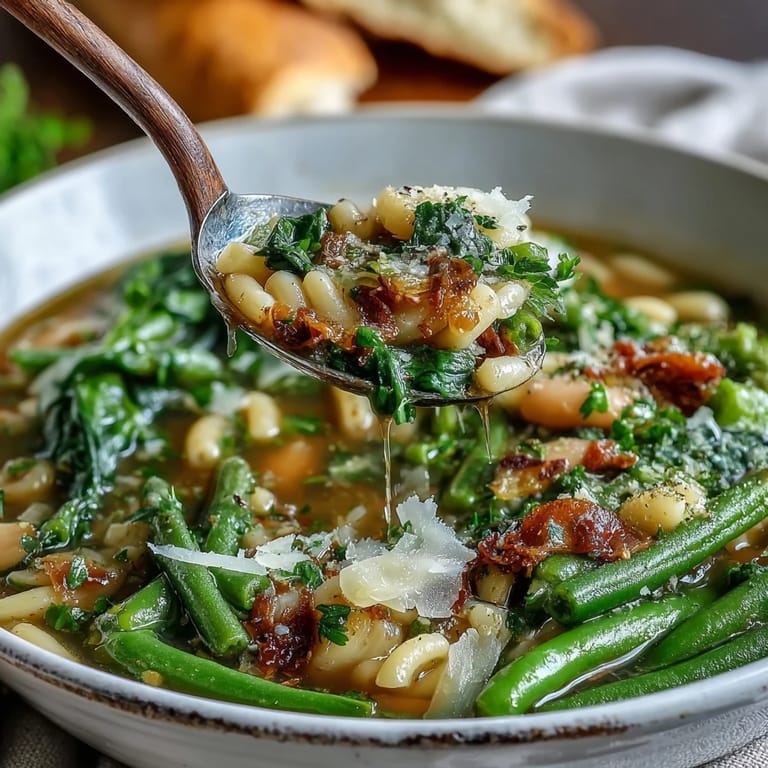
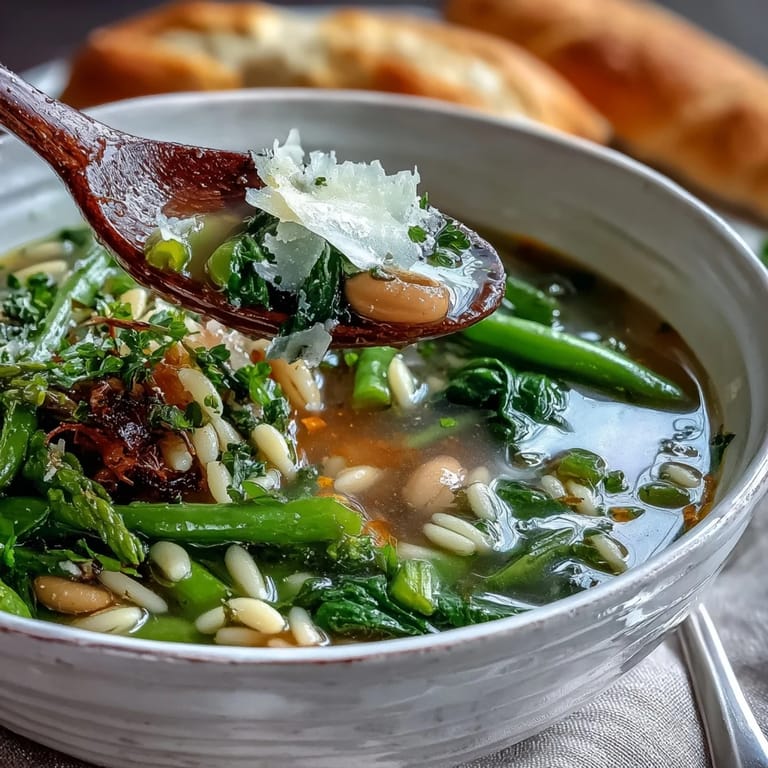
- Spoon the soup into big bowls and top with Parmesan, basil, and a swirl of good olive oil if you feel fancy.
 Save
Save 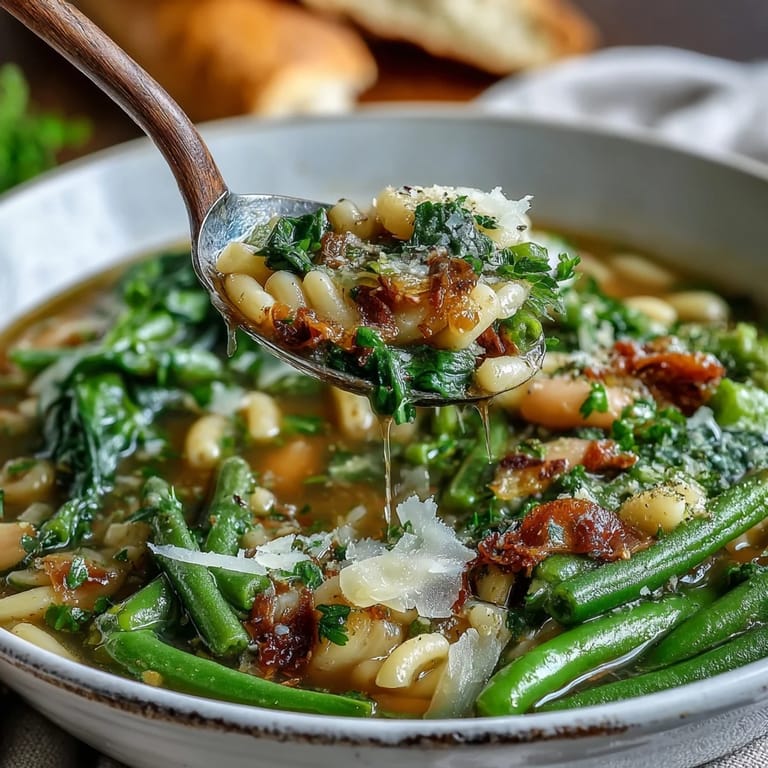 Save
Save Scooping the soup into bowls on a breezy spring evening, I realized this was more than a meal—my tiny kitchen felt bigger, the quiet transformed by laughter and gentle clinking spoons. Sharing it made even new neighbors feel instantly familiar.
Choosing Your Veg: Make it Your Own
Whether it’s plump asparagus or tender fava beans, swapping in what’s freshest has always led to my happiest surprises. Don’t hesitate to play with the combination—I've even added snap peas or a little kale with delicious results.
Garnish Finesse: The Finishing Touch
One day, I sprinkled just a pinch of lemon zest with the Parmesan and it perked up the whole bowl. Tiny tweaks in garnish let you lean into whatever mood you happen to be in, from elegant drizzle to a mountain of herbs.
Leftovers & Little Fixes
If you do find yourself with extra soup, the flavors seem to deepen overnight, though the pasta will drink up a lot of the broth. I sometimes add a splash more stock and a few fresh greens when reheating for a burst of color, and it works like a charm.
- If you’re using gluten-free pasta, cook it separately to keep the broth clear.
- A squeeze of lemon before serving lifts every ingredient.
- Don’t skip the fresh herbs at the end—they wake the whole soup up.
 Save
Save 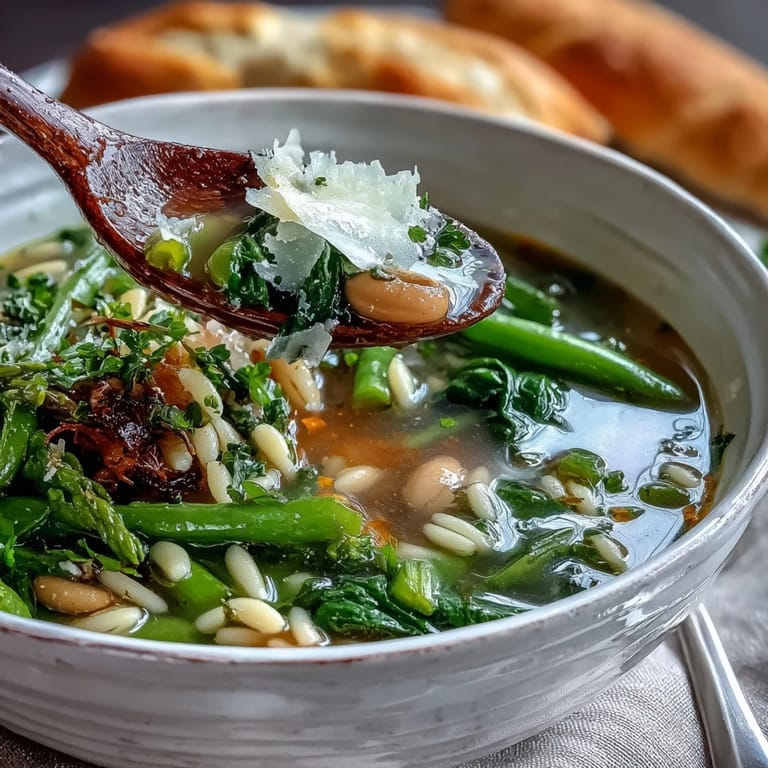 Save
Save I hope this Spring Minestrone feeds you as well as it has fed me: with warmth, bright color, and just the right mix of comfort and renewal.
Recipe FAQs
- → What pasta shape works best?
Small shapes like ditalini, orzo, or small shells are ideal; they tuck into each spoonful. Choose gluten-free small pasta if needed, and adjust cooking time to package directions.
- → How do I avoid mushy vegetables?
Add firmer vegetables first and softer ones later. Start with carrots and celery, then add zucchini and green beans, and stir in spinach only in the last 2 minutes so it barely wilts.
- → Can I freeze this dish?
Freezing is fine without pasta for best texture. Store the broth and vegetables separately, then add freshly cooked pasta after reheating to maintain bite.
- → How can I thicken the broth?
For a heartier texture, mash a cup of cooked vegetables or some cooked pasta against the pot wall and stir in, or simmer uncovered to reduce liquid slightly. A small spoonful of blended beans also adds body.
- → What are good additions for spring produce?
Asparagus tips, fava beans, baby peas, or thinly sliced new potatoes complement the seasonal profile—add according to their cook times so everything stays tender-crisp.
- → How to keep it vegetarian or make it vegan?
Use vegetable broth and omit Parmesan, or swap for a dairy-free alternative. A finishing drizzle of good olive oil and fresh herbs keeps brightness without dairy.