 Save
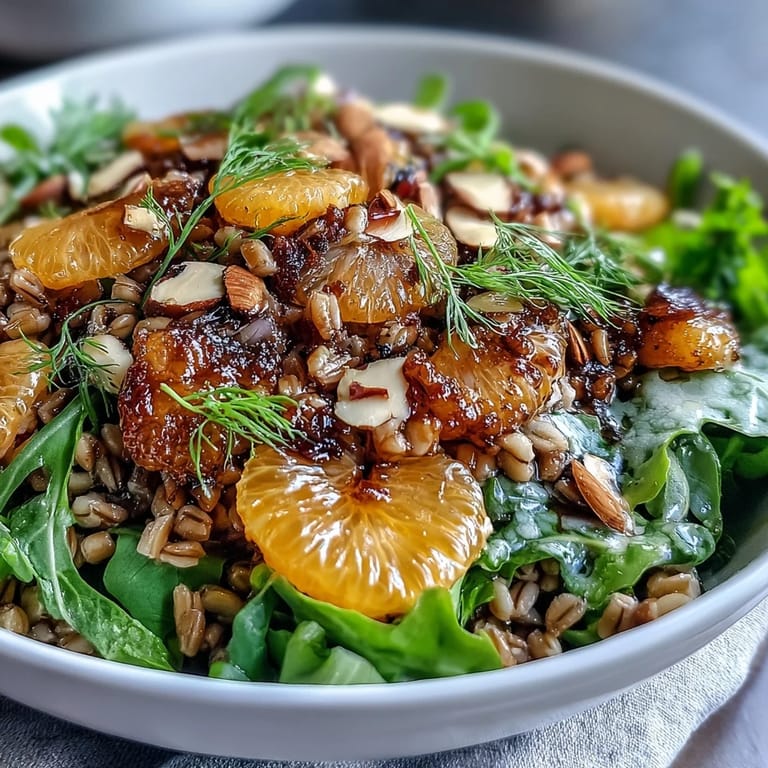
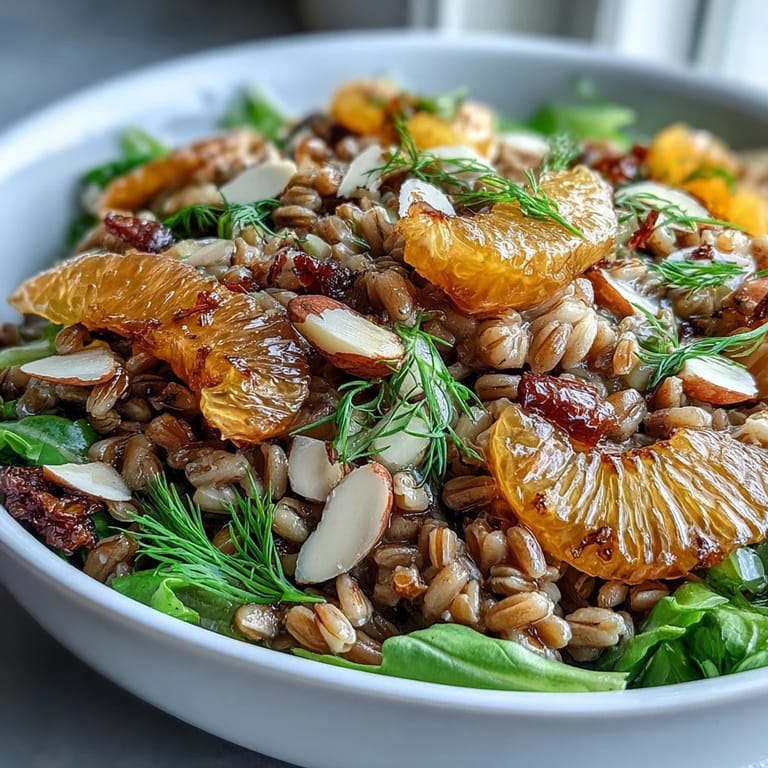
Save There's something about late January that makes me crave brightness, and this farro salad showed up in my kitchen on one of those gray afternoons when I needed color on a plate. A friend had mentioned how farro stays wonderfully chewy no matter how long it sits, which felt like permission to make something that wouldn't wilt or get soggy by dinnertime. The combination of toasted nuts, crisp fennel, and sweet orange segments felt like a small celebration of winter citrus season, the kind of dish that doesn't need much fussing but delivers real satisfaction.
I made this for a potluck last spring and watched people go back for thirds, which surprised me because I'd almost brought something more expected. What sealed it was overhearing someone say they'd never realized farro could be this good, which meant they'd probably been eating overcooked versions their whole lives. That moment made me understand how much technique matters even in simple recipes.
Ingredients
- Farro: This grain has a naturally nutty flavor and keeps its tender-chewy texture even after cooling, which is why it's so forgiving for salads that need to sit.
- Fennel bulb: Slice it as thin as you can manage; the delicate fronds add an anise whisper that ties everything together and look beautiful scattered on top.
- Oranges: Peel them completely and separate segments, catching any juice that drips for the vinaigrette because that's liquid gold for flavor.
- Red onion: Thinly sliced, it brings a sharp bite that keeps the whole salad from feeling too sweet or one-note.
- Almonds: Toasting them yourself for just a few minutes makes an enormous difference; store-bought toasted are fine but fresh toasted tastes like a completely different ingredient.
- Extra-virgin olive oil: Use something you actually enjoy tasting because it's not cooked down here; it's the main voice in the vinaigrette.
- Orange juice and white wine vinegar: Together they create a bright acidity that doesn't overpower the delicate grains and vegetables.
- Dijon mustard: This is the emulsifier that keeps the dressing from separating, and it adds a subtle sharpness without tasting mustardy.
Tired of Takeout? 🥡
Get 10 meals you can make faster than delivery arrives. Seriously.
One email. No spam. Unsubscribe anytime.
Instructions
- Rinse and simmer the farro:
- Rinsing removes excess starch that would make the grain gluey. The water should come to a rolling boil, then lower the heat so it bubbles gently and you can hear when it's done.
- Toast the almonds:
- Listen for them to start smelling nutty and almost sweet; that's your signal they're ready. Set them on a plate immediately so they don't keep cooking in the hot pan.
- Make the vinaigrette:
- Whisk the mustard and honey together first, then slowly drizzle in the oil while whisking so it emulsifies into something glossy. Taste it before adding to the salad; a good vinaigrette should make your mouth water.
- Compose the salad:
- Put everything in a large bowl and dress it gently; you're not trying to bruise the delicate greens. The warm farro will absorb some vinaigrette, which is exactly what you want.
- Finish and serve:
- The almonds and fennel fronds go on top just before eating so they stay crisp and don't get soggy from the dressing. This salad is best enjoyed right away, though the farro mixture keeps for a day or two in the refrigerator.
 Save
Save This became the salad I brought to my sister's house after her surgery, when everyone around her was sick of flowers and concerned casseroles. She ate half the bowl while we sat in her kitchen talking about nothing important, and I realized that sometimes the best meals are the ones that let people feel normal again instead of cared-for.
When Farro Becomes Your Favorite
I used to think farro was just barley's fancy cousin, something Italian grandmothers used in soup. This salad changed my mind completely because it showed me that farro has its own personality: nuttier, more substantial, with a chew that keeps the salad from feeling limp. Once you've toasted almonds and tasted real orange juice in a vinaigrette, store-bought salad dressing tastes like cardboard, which is either a blessing or a curse depending on how much you enjoy cooking.
Playing with Color and Substitution
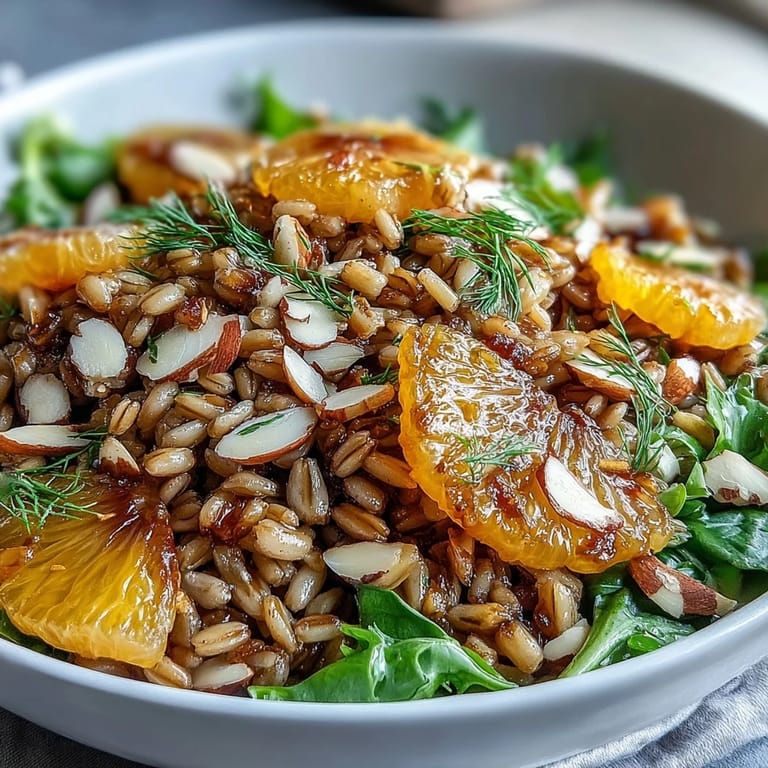
Blood oranges turn this salad the color of a sunset, and they're worth seeking out if they're in season when you're planning to make this. If you can't find them or your market has those sad grainy oranges that look fresh but taste like nothing, clementines work beautifully and sometimes taste sweeter. The beauty of this template is that it works with whatever looks good at the market; I've made it with pomegranate seeds instead of orange, with hazelnuts when almonds felt tired, and once even with candied walnuts when I had them left over from something else.
The Practical Side of Making This Ahead
This is one of those rare salads that actually improves after a day in the refrigerator because the farro continues to absorb the vinaigrette slowly, becoming more flavorful rather than mushy. If you're making it ahead, store the almonds and fennel fronds separately and add them right before serving so they maintain their texture. Keep the greens in a separate container and toss them in just before eating if you're being very particular, or mix everything together if you're more casual about these things.
- Toast your almonds fresh the morning of if possible; they stay crunchier longer and smell like happiness.
- Orange juice browns slightly when it sits, so if looks matter for your event, dress the salad within a few hours of serving.
- This salad feeds four people as a main course or six to eight as a side dish, which is good information if you're scaling it.
 Save
Save This salad has become my answer to that question about what to bring when you want to show up without being dramatic about it. It's the kind of dish that makes you look like you spent hours cooking when you really just had good ingredients and a little patience.
Recipe FAQs
- → Can I make this ahead?
Cook the farro up to 3 days ahead and store refrigerated. Toast almonds just before serving to maintain crunch, and dress the bowl right before eating to keep greens crisp.
- → What other grains work well?
Spelt, barley, or wheat berries offer similar chewy textures. For quicker options, try quinoa or couscous, adjusting cooking times accordingly.
- → How do I slice fennel thinly?
Use a sharp knife or mandoline to slice the bulb paper-thin. The fronds make an excellent garnish—reserve them for sprinkling over the finished bowl.
- → Can I add protein?
Grilled chicken, chickpeas, or white beans work beautifully. For vegan protein, consider adding crumbled tempeh or cubed tofu marinated in the vinaigrette.
- → What orange variety is best?
Navel oranges offer reliable sweetness year-round. Blood oranges provide stunning color and slightly berry notes, while Cara Cara adds pinkish hues and mild flavor.
- → Is this gluten-free?
Traditional farro contains gluten. Substitute with sorghum, buckwheat groats, or brown rice for a gluten-free version with similar hearty texture.