 Save
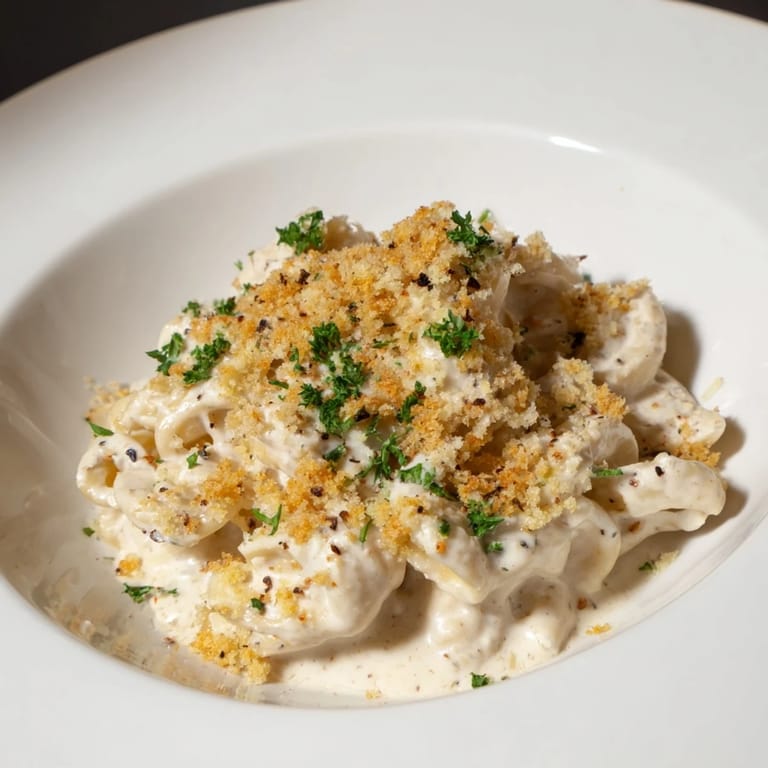
Save I stumbled onto this version of mac and cheese by accident one Tuesday night when I was staring at a container of cottage cheese wondering what on earth to do with it. The promise of high protein intrigued me, but I was skeptical—cottage cheese in pasta sauce sounded like it might turn into something grainy and unappetizing. Twenty minutes later, I was stirring a silky, luxurious sauce that tasted nothing like health food, and everything like the comfort dish I'd been craving.
My sister came over on a random Friday, and I served this without telling her what was in it. She took one bite, closed her eyes, and said it was better than the mac and cheese our mom used to make—which felt like a betrayal of family history, but also made me quietly proud. That's when I realized this recipe had crossed over from practical weeknight dinner to something genuinely craveable.
Ingredients
- High-protein pasta (300 g): Chickpea or lentil pasta adds real substance and keeps you full longer than white pasta—I use it because the nutty undertones work beautifully with the cheesy sauce.
- Low-fat cottage cheese (300 g): This is your secret weapon for creaminess without heaviness; blending it completely ensures there are zero grainy textures.
- Low-fat milk (120 ml): Use whatever version you have on hand—dairy, oat, or almond all work, though I prefer the slight richness of whole milk or oat milk.
- Sharp cheddar (100 g): Sharp is essential here because it cuts through the mildness of cottage cheese and gives the sauce actual personality.
- Parmesan (40 g): Freshly grated makes an enormous difference in depth of flavor; pre-grated loses its edge and can taste a bit dusty.
- Nutritional yeast (1 tbsp, optional): This adds a savory umami note that makes the whole dish taste more developed and intentional.
- Cornstarch (1 tbsp): Acts as a binder to keep the sauce silky and prevents it from breaking or separating as it sits.
- Dijon mustard (1 tsp): A tiny amount awakens all the other flavors without making anything taste like mustard.
- Garlic and onion powder (½ tsp each): These ground spices dissolve invisibly into the sauce and build flavor layers that feel sophisticated without requiring fresh chopping.
- Black pepper and salt: Taste as you go because cottage cheese can mask the need for seasoning until the very end.
Tired of Takeout? 🥡
Get 10 meals you can make faster than delivery arrives. Seriously.
One email. No spam. Unsubscribe anytime.
Instructions
- Get your water boiling:
- Fill a large pot with salted water and bring it to a rolling boil—you want it aggressive enough that the pasta will cook evenly and quickly. Salt it generously so the pasta absorbs flavor from the start.
- Cook the pasta to al dente:
- Follow the package timing but taste it a minute before it should be done; you want it tender but still with a tiny bit of resistance. Drain it in a colander, but pour out ½ cup of that starchy cooking water into a small bowl before you forget.
- Blend the sauce ingredients:
- While the pasta cooks, add the cottage cheese, milk, cheddar, Parmesan, nutritional yeast, cornstarch, mustard, and all the powders to your blender. Blend on high until the mixture is completely smooth with no specks or graininess visible.
- Heat the sauce gently:
- Pour the blended mixture into a saucepan over medium-low heat and whisk constantly for about 3 to 5 minutes until it thickens and just barely starts to bubble at the edges. If it becomes too thick and stodgy, add reserved pasta water a splash at a time until it reaches a silky, pourable consistency.
- Combine and coat:
- Add your drained pasta directly to the sauce and toss for a full minute so every piece gets coated and heated through evenly. The heat will continue to develop the flavor.
- Make it golden (optional but recommended):
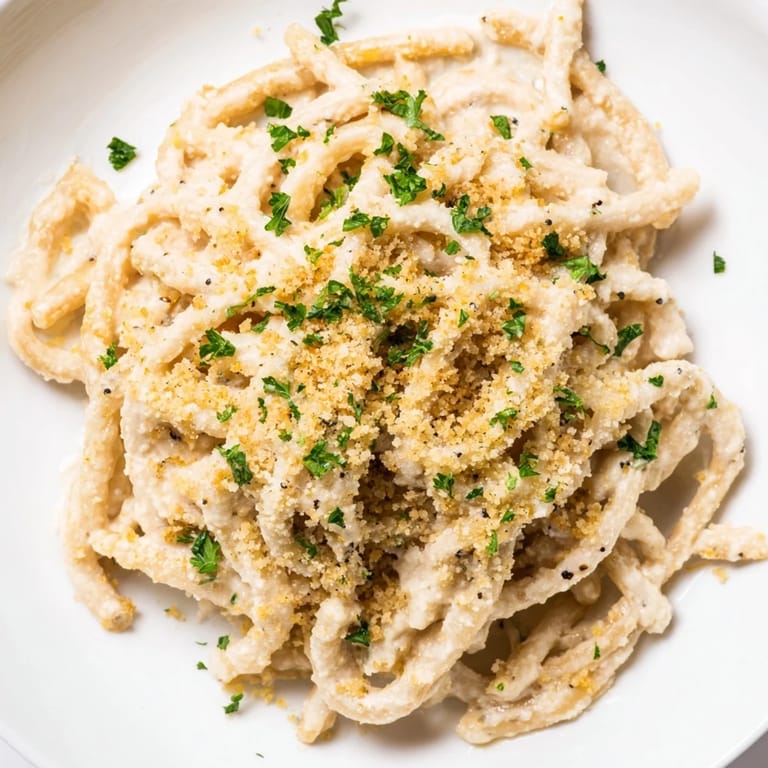
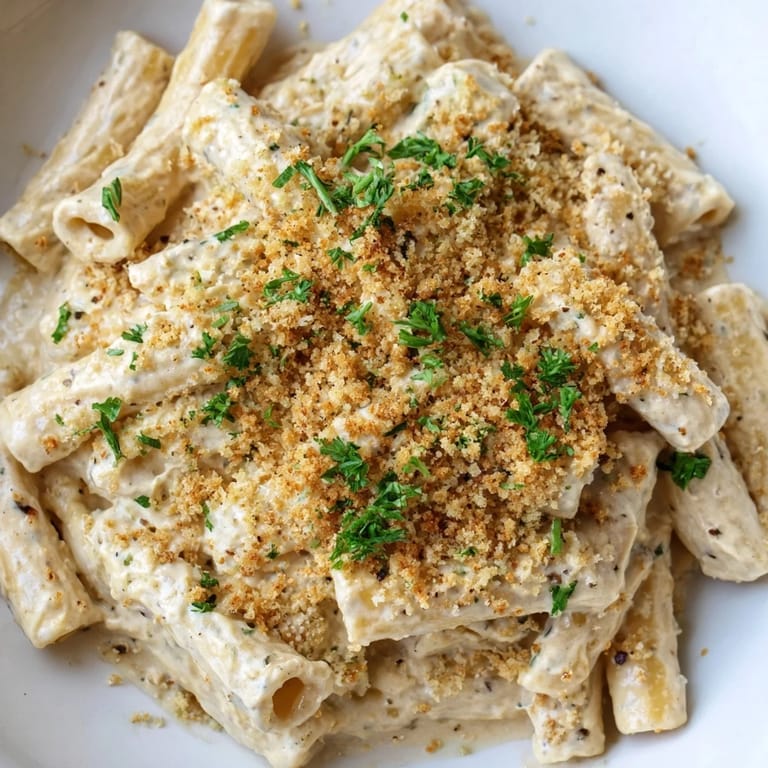
- If you want a crispy top, transfer everything to a baking dish, scatter whole wheat breadcrumbs across the surface, and slide it under the broiler for 2 to 3 minutes until the crumbs turn golden brown and toasted. Watch closely so it doesn't burn.
- Serve with fresh herb finish:
- Spoon the mac and cheese into bowls while it's still warm and scatter chopped fresh parsley on top for brightness and a hint of freshness that cuts through the richness.
 Save
Save The real moment I knew this recipe had won me over was when I made it on a rainy Sunday and my kid—who usually negotiates every vegetable—asked for seconds without being asked. That's when food stops being about nutrition or convenience and becomes about those quiet moments when everyone at the table is just happy.
Why Cottage Cheese Is Your Secret Weapon
Most people think cottage cheese belongs only on salads with fruit, but when you blend it smooth, it becomes one of the most underrated sauce bases available. It's thicker and more stable than cream, lower in fat than butter, and adds a protein boost that makes the dish actually satisfying rather than heavy. I've started using blended cottage cheese in other sauces now—it's transformed how I think about creamy dishes.
Customization Without Hesitation
This recipe is forgiving in ways that make it perfect for whatever your kitchen has available. Swap the sharp cheddar for Gruyère if you want something earthier, or use Monterey Jack for a milder, creamier flavor. Add a pinch of cayenne if you like heat, or stir in chopped roasted vegetables, cooked chicken, or steamed broccoli for extra substance. The sauce is flexible enough to accommodate your preferences without falling apart.
Make It Work for Your Schedule
You can prepare the sauce the night before and refrigerate it, then reheat gently with a splash of milk while your pasta cooks the next evening. You can also broil the breadcrumb topping just before serving so it's extra crispy, or skip it entirely if you're going for pure comfort without the textural contrast. The leftover mac and cheese reheats beautifully in a saucepan with a little added milk, which means this makes excellent lunch the next day.
- If the sauce seems too thick after sitting, whisk in milk or reserved pasta water until it flows smoothly again.
- Make the breadcrumb mixture the night before if you're planning a broiled top, and just scatter it on when you're ready.
- This freezes well for up to two months if you store it in an airtight container, though reheating requires gentle heat and extra liquid.
 Save
Save This recipe turned what I thought was a limitation—using protein-packed cottage cheese instead of cream—into something I now choose to make regularly. It's proof that the best cooking often comes from happy accidents and the willingness to trust your instincts.