 Save
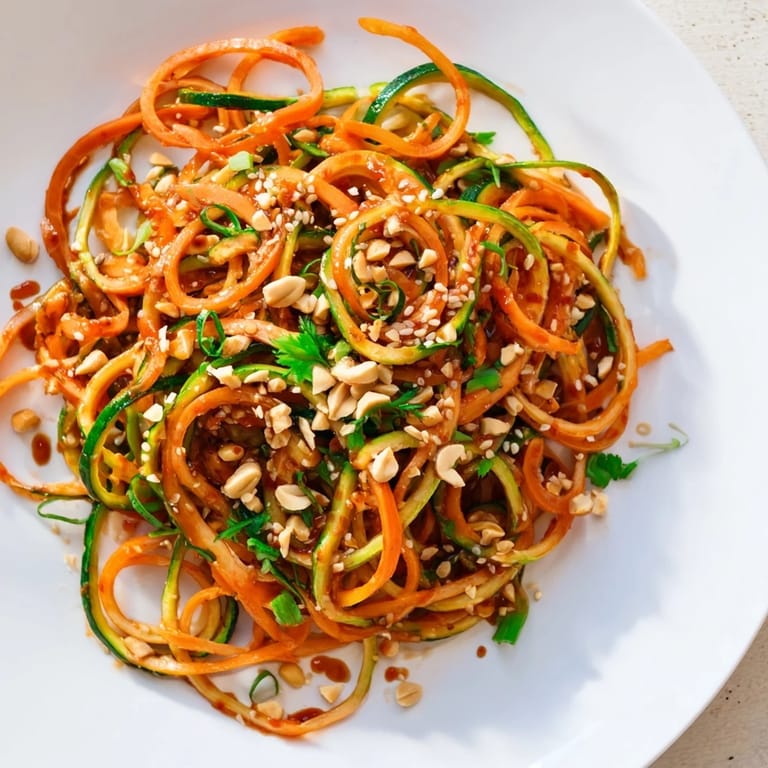
Save The first time I made this bowl, I was scrolling through videos at midnight—one of those rabbit holes where suddenly an hour disappears—and watched someone spiralize a cucumber with such satisfying precision that I had to try it myself the next morning. I didn't have a spiralizer, so I grabbed my julienne peeler and got to work, and what emerged was this pile of delicate, ribbon-like strands that felt almost too pretty to eat. The moment I tossed them in that fiery sauce, the kitchen filled with the sharp, aromatic scent of ginger and garlic, and I realized this wasn't just another trend—it was the kind of lunch that actually makes you feel alive.
I brought this to a potluck last summer thinking nobody would eat it—it looked too simple compared to the casseroles and baked pastas taking up half the table—but it disappeared in minutes. A friend came back for thirds and asked if the sauce was something I'd learned from my family, and I had to laugh because it was literally something I'd invented that week. That moment made me realize the best dishes aren't always the complicated ones; sometimes they're just the ones that surprise you.
Ingredients
- Cucumbers (2 large, spiralized or julienned): English or Persian cucumbers work beautifully here because they have fewer seeds and a milder flavor—regular ones will work but pat them extra dry or you'll end up with a watery bowl.
- Carrot (1 medium, julienned): This adds sweetness and a pop of color, but honestly it's optional; sometimes I skip it when I'm moving fast.
- Scallions (2, thinly sliced): These give a gentle onion bite that balances the heat without overwhelming the delicate cucumber.
- Fresh cilantro (1 tablespoon, chopped): If you're one of those people who thinks cilantro tastes like soap, just leave it out—your taste buds are wired differently and that's completely valid.
- Soy sauce or tamari (2 tablespoons low-sodium): Low-sodium is key here because the chili oil brings its own intensity; full-sodium would make this taste aggressively salty.
- Rice vinegar (1 tablespoon): This adds brightness and keeps the sauce from feeling too heavy, which is essential in a dish that's supposed to feel refreshing.
- Sesame oil (1 tablespoon): Toast your own sesame seeds separately if you have time—the nutty depth makes a real difference.
- Chili crisp or chili oil (1 tablespoon, adjust to taste): This is where the magic lives; use whatever brand you love, and don't be shy about adding more if you like the heat.
- Maple syrup or honey (1 teaspoon): A tiny touch of sweetness rounds out the spice and prevents the sauce from feeling one-dimensional.
- Garlic (1 clove, finely minced): Fresh garlic matters here—the kind from a jar will taste flat and sulfurous by comparison.
- Fresh ginger (1 teaspoon, grated): Grate it right before you use it so you get all the bright, peppery oils that fade once it sits.
- Toasted sesame seeds (1 teaspoon): These add texture and a subtle depth that ties the whole thing together.
- Roasted peanuts or cashews (2 tablespoons, chopped, optional): Cashews are softer and sweeter; peanuts are more assertive—pick whichever speaks to you.
- Lime wedges: A squeeze at the very end brightens everything and reminds your palate why this bowl feels so summery.
Tired of Takeout? 🥡
Get 10 meals you can make faster than delivery arrives. Seriously.
One email. No spam. Unsubscribe anytime.
Instructions
- Prepare your cucumbers:
- Spiralize or julienne your cucumbers into noodle-like strands, then pat them thoroughly dry with a clean kitchen towel or paper towels—this step is non-negotiable if you want crunch instead of a soggy bowl. I learned this the hard way the first time, and now I always spend the extra 30 seconds drying them.
- Build the vegetable base:
- Toss your cucumber noodles into a large mixing bowl along with the carrot, scallions, and cilantro, mixing just enough to combine them loosely. Keep everything separate from the sauce for now so the vegetables stay as crisp as possible.
- Whisk the sauce:
- In a smaller bowl, whisk together the soy sauce, rice vinegar, sesame oil, chili crisp, maple syrup, minced garlic, ginger, and sesame seeds until everything is emulsified and the flavors are mingling. This takes about a minute of steady whisking—you're looking for the oil to incorporate smoothly rather than sitting on top.
- Bring it all together:
- Pour the sauce over your vegetable mixture and toss gently but thoroughly, coating every strand of cucumber with that fiery, aromatic goodness. Be gentle here because you want to keep the cucumber noodles intact, not turn them into mush.
- Serve immediately:
- Divide everything between bowls and top with chopped nuts, an extra drizzle of chili crisp if you're feeling bold, and a squeeze of fresh lime. The crunch is what makes this special, so eat it right away rather than letting it sit.
 Save
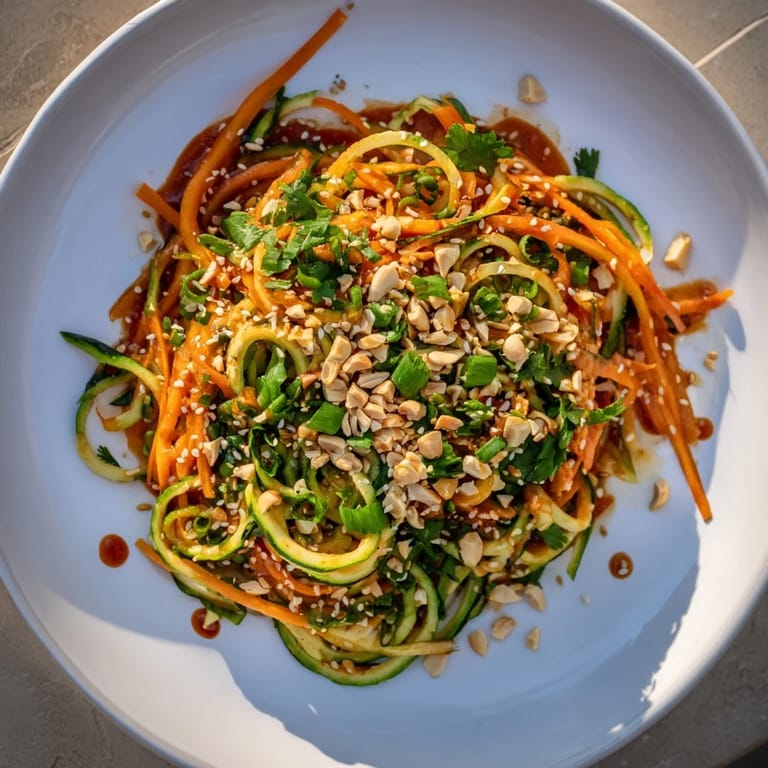
Save There's something about eating this straight from the bowl while standing at the kitchen counter—the way the heat builds slowly from the back of your throat, how each bite tastes a little different depending on whether you get more ginger or more cilantro—that makes it feel like more than just lunch. It became the thing I make when I want to feel reset, when the kitchen is too hot to turn on the stove, or when I just need something that tastes clean and alive.
Why This Sauce Works So Well
The sauce is deliberately balanced—the sesame oil brings richness, the vinegar brings brightness, and the chili crisp brings heat, but none of them overpower the cucumber's delicate flavor. The garlic and ginger add complexity without making it taste heavy, and that tiny touch of maple syrup prevents the whole thing from tasting sharp or one-dimensional. I've made versions where I skipped the sweetness thinking it wasn't necessary, and every time I came back to this exact formula because something was missing without it.
Quick Protein Ideas
On mornings when I want this to feel more substantial, I'll add whatever protein is on hand—crumbled tofu tossed quickly in a hot pan with extra chili crisp, shredded rotisserie chicken if I'm feeling lazy, or a handful of edamame for something crunchy and satisfying. Sometimes I'll add a soft-boiled egg on top just to have something warm against the cold vegetables, and that contrast between temperatures actually makes the whole thing more interesting.
Customizing the Heat Level
Not everyone in my house likes things as spicy as I do, so I've learned to build heat into this dish in a way that lets everyone control their own level of fire. I'll use less chili crisp in the sauce itself—just enough to flavor it subtly—and then drizzle extra chili crisp on top of individual bowls so people can adjust to their preference. Fresh sliced chili peppers work beautifully too if you want a cleaner heat, and honestly, sometimes I do both for a layered spice situation that keeps evolving as you eat.
- Start with half the chili crisp in the sauce and taste before adding more rather than making it too hot from the start.
- Jalapeños or Thai chilies sliced fresh add heat and texture in a way that bottled chili can't quite match.
- Remember that heat builds as you eat, so something that tastes moderate at bite one might feel intense by bite three.
 Save
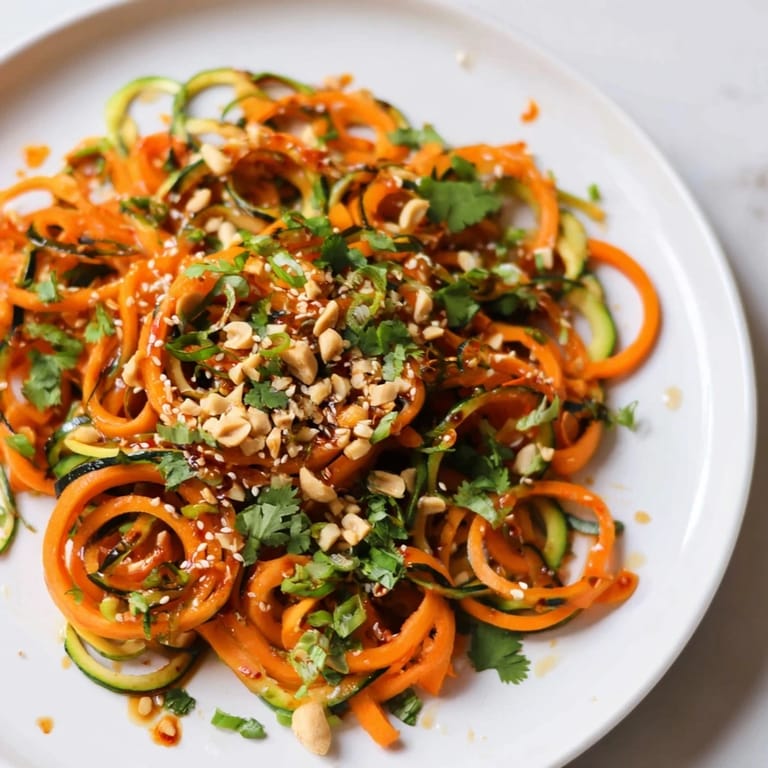
Save This bowl taught me that sometimes the most memorable meals aren't the ones that took hours or require a grocery list as long as your arm—they're the ones that feel spontaneous and alive on your tongue. I keep making it because it never gets boring, because it makes my kitchen smell incredible, and because it's the kind of thing you can actually pull together on a Tuesday night when nothing else appeals to you.
Recipe FAQs
- → What type of cucumbers work best for spiralizing?
English or Persian cucumbers are ideal due to their fewer seeds and milder flavor, making for crisp, refreshing noodles.
- → How can I adjust the spice level in this dish?
Modify the amount of chili crisp or chili oil used, and consider adding fresh sliced chili to increase heat gradually.
- → Are there good protein additions to complement this bowl?
Adding tofu, shredded chicken, or edamame boosts protein content without overpowering the fresh, crunchy flavors.
- → Can I substitute allergens like nuts in the toppings?
Yes, substitute peanuts with sunflower seeds or omit nuts entirely to suit nut-free preferences.
- → What tools are recommended for preparing this dish?
A spiralizer or julienne peeler is essential for creating cucumber noodles. Mixing bowls, a whisk, and sharp knife complete the setup.
- → What oils best enhance the sauce's flavor?
Sesame oil adds a toasted, nutty aroma that complements the chili's heat and the vinegar's tang perfectly.