 Save
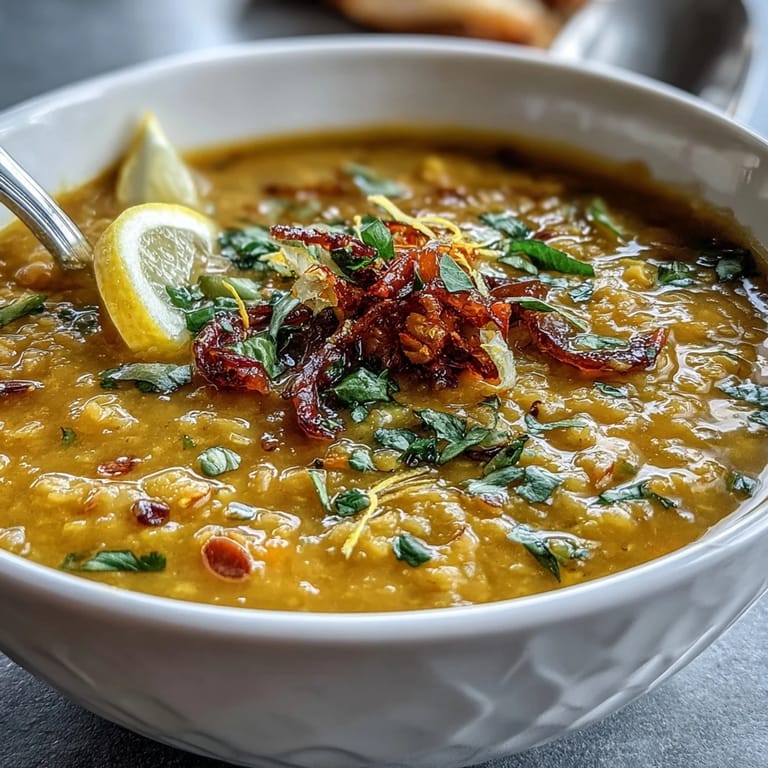
Save The first time I made this Turmeric Lemon Lentil Soup, it wasn’t because of a craving but necessity – a bare fridge, a chill in the air, and just enough pantry staples on hand to attempt something nourishing yet unfussy. The smell of sizzling cumin and turmeric hit me right as the garlic landed in the pot, and I remember thinking that even humble ingredients could feel celebratory when treated with a little care. While the soup simmered, I paced the kitchen, tasting spoons clinking in the sink, surprised by how sunny the bubbling mixture looked. It was less a grand culinary endeavor and more a quiet act of self-care – the kind of meal that fills more than just your stomach. That zing of lemon right at the end still reminds me that brightness can show up in the simplest of moments.
One rainy evening, a friend showed up on my doorstep soaked and shivering, so I ladled this soup into mismatched mugs and we sat side by side on the old couch, watching the steam curl upward as thunder rumbled. We barely talked, stopping only to squeeze in more lemon, but afterward she insisted the soup had “brought her back to life.”
Ingredients
- Red lentils: Their buttery texture and quick-cooking nature mean you have a creamy base with minimal effort; rinse well to remove starch and grit for the cleanest flavors.
- Yellow onion: Softer and slightly sweeter than white onions, this builds your flavor base; dice it small for faster, more even cooking.
- Garlic: Two cloves feel just right – mince them finely for even distribution and to avoid bites that overpower the broth.
- Carrot: Adds a subtle sweetness and color, and small dice ensures it softens naturally without dominating the soup.
- Celery: Even if you’re not a celery fan, a little goes a long way for fragrance and depth; dice it small so it melts in.
- Fresh ginger: Grated ginger lends a gentle heat and citrusy lift – I always grate it straight into the pot for maximum flavor.
- Turmeric: This is what gives the soup its golden glow and earthy aroma; use ground for consistency and vibrant color.
- Cumin: Warm, toasty, and grounding – toast it briefly to wake up its essential oils.
- Coriander: Halfway between citrus and earth, it rounds out the spice blend; I learned not to skip it for that gentle undertone.
- Chili flakes: Optional, for just the right tickle of heat; sprinkle in as much or as little as you like, tasting as you go.
- Salt and black pepper: Essential for balance – add them at the end so the flavors can develop first.
- Vegetable broth: Choose a clear, light broth so the spices shine through; water works in a pinch, but broth adds roundness.
- Lemon juice: Fresh is best – it brightens everything just at the end so don’t skip the squeeze of real lemon.
- Fresh herbs (cilantro or parsley): The finishing touch for color and green freshness; add at the last minute so they don’t wilt away.
- Lemon wedges: To serve, because everyone likes a little extra tang for themselves.
Tired of Takeout? 🥡
Get 10 meals you can make faster than delivery arrives. Seriously.
One email. No spam. Unsubscribe anytime.
Instructions
- Sauté the aromatics:
- Heat olive oil in a large pot over medium until shimmering, then add the onion, carrot, and celery. Stir gently and listen for that soft sizzle; cook for about five minutes until everything mellows and begins to turn golden at the edges.
- Add garlic and ginger:
- Drop in the minced garlic and grated ginger, stirring constantly so nothing burns. The smell will bloom instantly – give it just a minute until fragrant.
- Bloom the spices:
- Sprinkle in turmeric, cumin, coriander, and chili flakes if using, stirring for 30 seconds so the spices toast and deepen in color. This step transforms everything; don’t rush it.
- Simmer the lentils:
- Pour in the rinsed red lentils and broth, scraping up any sticky bits from the bottom of the pot as the liquid goes in. Bring to a boil, then reduce the heat and simmer uncovered 20–25 minutes, giving it a friendly stir now and then as the lentils cook down and the soup thickens.
- Season the soup:
- Add salt and black pepper to taste, stirring and tasting to build the right flavor balance. The soup should be gently spiced and earthy at this stage.
- Add the freshness:
- Remove the pot from heat and stir in lemon juice and chopped herbs if using. Taste again and adjust seasoning or lemon if you like – the soup goes from earthy to radiant with that last squeeze.
- Serve and enjoy:
- Ladle hot soup into bowls and offer lemon wedges at the table. Watch how the color brightens each time the lemon touches the surface.
 Save
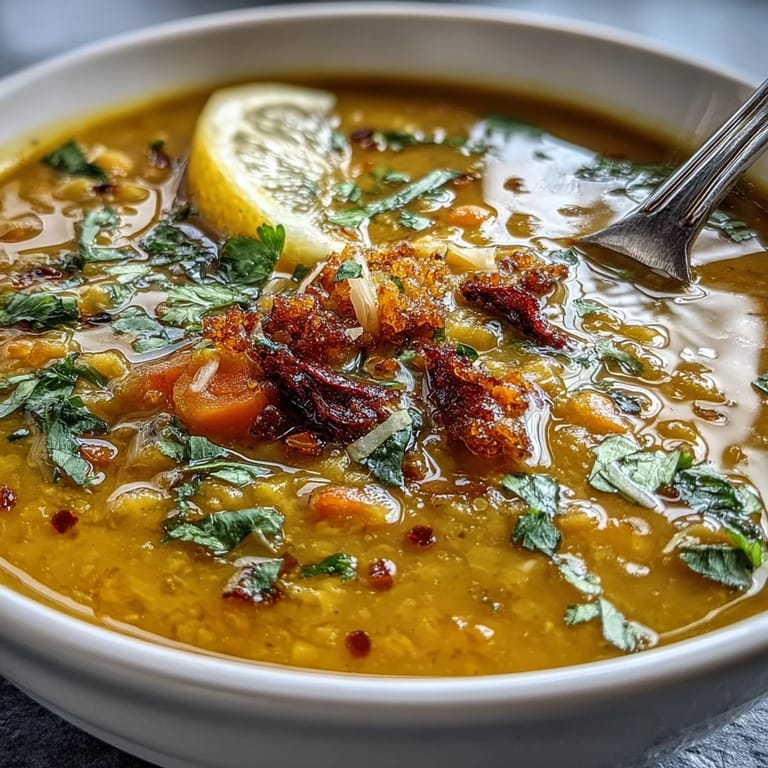
Save The first time someone asked for second helpings, there was a quiet pride I hadn’t expected – something about the way the soup was scraped from the pot and the warmth it brought to the table made our ordinary night feel festive.
How to Adjust the Soup’s Texture
If you like your soup a little creamier, use an immersion blender right in the pot for a few quick pulses – just enough to break up some lentils without losing all that rustic character. Other times, I’ve left it just as is, enjoying the soft vegetables and bright flecks of herbs floating atop each bowl.
Optional Add-Ins to Make It Your Own
I often toss in a handful of baby spinach or kale during the last five minutes of simmering for a green boost. Swirling in a spoonful of coconut milk at the very end can mellow the spices and add a gentle richness that pairs so well with the lemony edge. Warm flatbread, rice, or even a crispy piece of sourdough alongside makes this soup stretch further and feeds more hungry mouths comfortably.
Serving and Storage Hints
Soups like this are even better on day two after the flavors meld overnight in the fridge. Whenever I reheat leftovers, I add a fresh squeeze of lemon to perk it back up – and if you’re planning to freeze, leave out the herbs and lemon until serving so nothing goes dull.
- Always let the pot cool before refrigerating.
- Store in airtight containers for up to five days.
- For best texture, reheat gently and finish with fresh herbs and lemon juice.
 Save
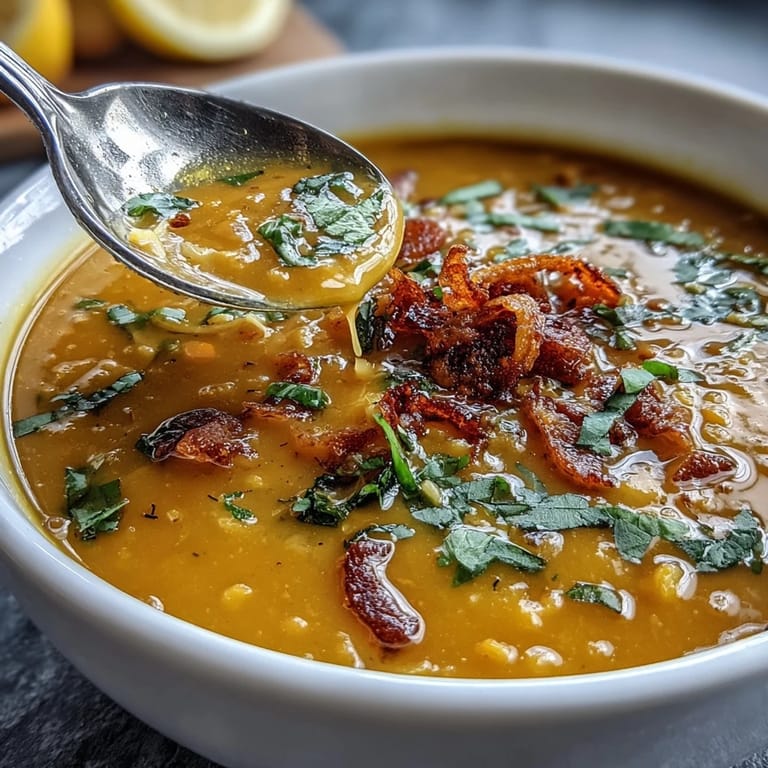
Save I hope this little sunbeam of a soup fills your kitchen and heart as much as it’s brightened mine – and that you feel free to put your own twist on it every time. Stay curious and always taste as you go.
Recipe FAQs
- → How do I adjust the soup's thickness?
For a thicker, creamier texture, partially blend the soup with an immersion blender or mash a cup of lentils against the pot side. For a thinner broth, stir in extra vegetable stock or water a little at a time until you reach the desired consistency.
- → Can I use other types of lentils?
Red lentils break down quickly and give a silky finish. Brown or green lentils hold their shape and need longer cooking; reduce blending time and extend simmering by 10–20 minutes if using them.
- → How should I store and reheat leftovers?
Cool completely, then refrigerate in an airtight container for 3–4 days or freeze for up to 2 months. Reheat gently on the stove over low heat, adding a splash of water or broth to revive the texture if it thickens.
- → What are good garnish and serving ideas?
Finish bowls with lemon wedges, chopped cilantro or parsley, a drizzle of coconut milk or olive oil, and a sprinkle of chili flakes. Serve alongside warm flatbread, rice, or a simple grain for a heartier meal.
- → How can I vary the flavor profile?
Add spinach or kale in the last 5 minutes for greens, swirl in coconut milk for richness, or increase ginger and lemon for a brighter, more pungent finish. Toasting spices briefly in the pot intensifies their aroma.
- → Are there quick swaps for ingredients I don't have?
Use onion powder if fresh onion is scarce, ground ginger or a pinch of galangal in place of fresh ginger, and water instead of broth—just adjust seasoning. Canned lentils can be used but add toward the end to avoid overcooking.