 Save
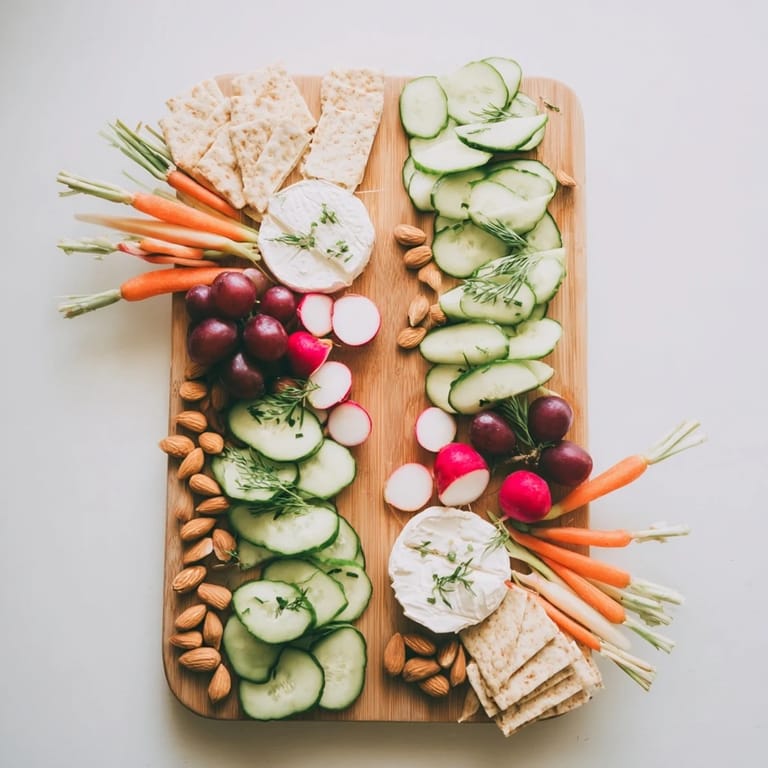
Save I discovered this dish by accident on a quiet Sunday morning when I was arranging leftovers on a board and my partner walked in and just stopped, watching how the light caught the cucumber slices. They said it looked like something you'd see in a gallery, and suddenly I realized the food wasn't just sustenance—it was a conversation between two people, told in color and balance. That moment stuck with me, and now whenever I need to slow down, I build this.
I made this for a friend who was stressed about work, and they actually just sat there for five minutes without touching anything, just looking at it. When they finally ate, they ate slowly—really slowly—and afterward they said it was the first time in weeks they'd actually tasted their food instead of just consuming it. That's when I understood this isn't really about the ingredients.
Ingredients
- Fresh Cucumber: Use crisp, firm slices that hold their structure; they're your foundation and should feel cool and clean in your mouth.
- Baby Carrots: Their natural sweetness bridges the sharp radish and creamy cheese beautifully.
- Radishes: These provide a peppery snap and gorgeous color; choose ones that still feel firm when you press them gently.
- Goat Cheese: Shaped into small rounds, it becomes a visual anchor and adds tangy sophistication.
- Gluten-Free Crackers: Select ones with texture that won't crumble when guests handle them.
- Roasted Almonds: Their toasted warmth contrasts with the fresh vegetables; don't skip the roasting step or they'll taste flat.
- Seedless Red Grapes: They offer sweetness and visual rhythm across the board.
- Fresh Herbs: Chives, dill, or tarragon add aroma and height to break up the flatness.
Tired of Takeout? 🥡
Get 10 meals you can make faster than delivery arrives. Seriously.
One email. No spam. Unsubscribe anytime.
Instructions
- Start with your canvas:
- Choose your board—wood or slate both work, but slate stays cooler and feels more refined. Wipe it clean with a barely damp cloth so it's fresh but not wet.
- Build the first pile:
- At one end, start with cucumber as your base layer, then nestle crackers in at slight angles so light catches them. Layer in carrots, radishes, grapes, then position your goat cheese rounds in a small cluster, scatter almonds around like they belong there naturally.
- Mirror the opposite end:
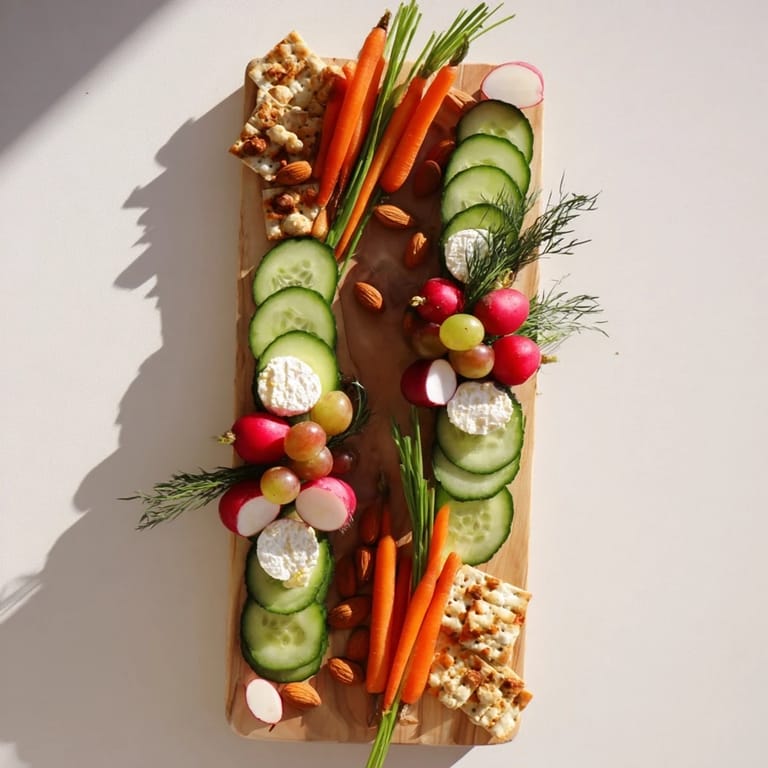
- This is where precision matters—use the exact same amounts on the opposite end to create symmetry. Stand back frequently to check your balance; it should feel visually weighted equally.
- Add the garnish:
- Tuck fresh herb sprigs into or beside each pile so they have height and movement. This is your final flourish—make it count.
- Preserve the emptiness:
- Leave the center completely bare; this is intentional and essential. The empty space is where the calm lives.
 Save
Save I've learned that this dish teaches you something about restraint, about how saying no to extra garnish or more colors is actually where the power lives. Every time I make it, I'm reminded that sometimes less isn't about deprivation—it's about permission to breathe.
The Art of Symmetry
Creating balance isn't just about making things match—it's about understanding why our eyes settle when they see harmony. When you arrange the second pile, don't copy mechanically; instead, think about how each element on the left needs a visual echo on the right. The carrot on the left might be slightly higher than its partner, and that's okay if the overall weight feels equal. This is where cooking becomes a small meditation.
Timing and Temperature
Assemble this just before serving so vegetables stay crisp and the goat cheese hasn't softened too much. If you're making it for a gathering, prep all your ingredients separately, then arrange only 15 minutes before people arrive. The freshness isn't negotiable—it's what makes this sing.
Variations and Mindfulness
This template works with whatever you have on hand; in spring, use radish sprouts and peas; in autumn, add pomegranate seeds and candied walnuts. The framework stays the same, but the ingredients become a conversation with the season. The real gift of this dish is that it asks you to slow down, to really look at what you've made before you eat it.
- Try a vegan version using cashew cheese or marinated tofu for creaminess.
- Serve with crisp white wine and let guests pour it themselves, maintaining the contemplative mood.
- Eat with small spoons and hands rather than forks—it encourages you to really taste each element.
 Save
Save This dish reminds me that food is a gift not just because it nourishes, but because it can create space for presence. Make it when you need a moment of calm, or when someone you care about needs permission to slow down.
Recipe FAQs
- → What types of cheese work best for this arrangement?
Soft cheeses like goat cheese that can be shaped into small rounds work well, as they complement fresh produce and provide a creamy texture.
- → Can I substitute any ingredients in this board?
Yes, feel free to swap in seasonal vegetables, nuts, or plant-based cheeses to suit dietary preferences or availability.
- → How should the board be arranged for optimal presentation?
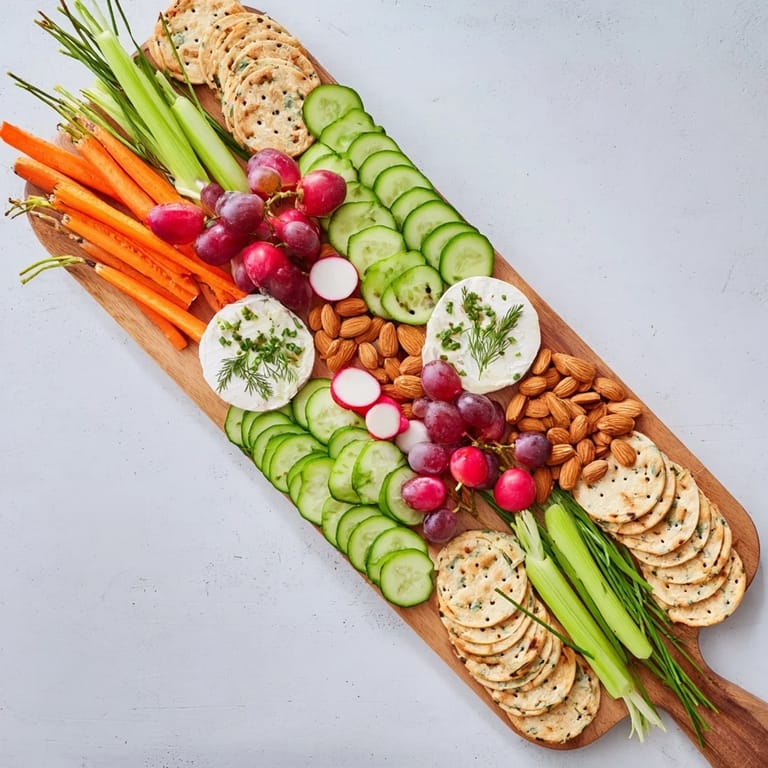
Place equal portions of each ingredient in neat piles at opposite ends of a long board, leaving the center empty to emphasize balance.
- → What types of serving boards are recommended?
Long wooden or slate boards of at least 60 cm provide an ideal surface to showcase the artful, symmetrical arrangement.
- → How can freshness and flavor be enhanced?
Garnishing with fresh herbs like chives or dill adds aroma and color, while pairing with crisp white wine complements the fresh ingredients.