 Save
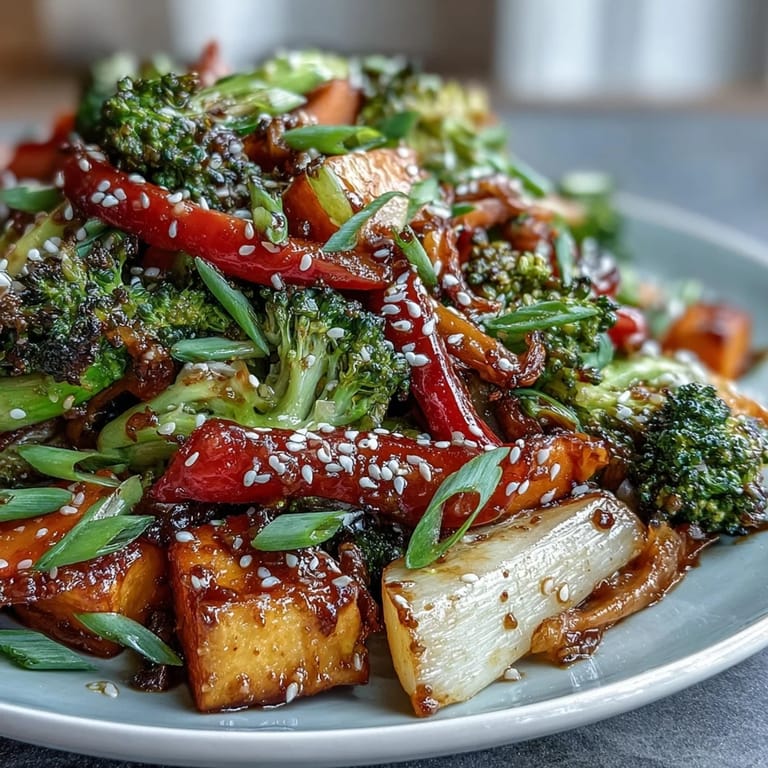
Save Last winter, I was standing in my kitchen on a grey afternoon, staring at a pile of root vegetables that needed rescuing before they turned soft. My neighbor had just dropped off a jar of homemade kimchi, and something clicked: what if I combined the warm, earthy comfort of a stir-fry with that bright, funky punch of fermented spice? The result was this dish, which has since become my go-to when I want something that feels both nourishing and alive on the plate.
I made this for friends who were skeptical about fermented vegetables, and watching their faces light up when they took that first bite was the real win. The warmth of the stir-fry mellows the kimchi just enough, while keeping all that tangy goodness intact, and suddenly everyone was asking for the recipe instead of dessert.
Ingredients
- Broccoli florets: Choose smaller, tighter florets that cook evenly and stay crisp in the high heat.
- Carrots, sliced on the bias: The angle cut exposes more surface area, letting them caramelize slightly while staying tender in the middle.
- Parsnip: This mild, slightly sweet root vegetable is often overlooked but brings a delicate earthiness that balances the kimchi's funk.
- Sweet potato matchsticks: Thin slices mean they soften quickly without turning to mush, adding natural sweetness and a little creamy texture.
- Green cabbage: Shred it yourself if you can; it wilts more gracefully and absorbs the sauce better than pre-packaged.
- Red bell pepper: Added near the end so it stays crisp and bright, both visually and in flavor.
- Fresh ginger, grated: Ginger is the aromatic backbone here, warming everything from the inside out; don't skip the freshness step.
- Garlic, minced: Thirty seconds in hot oil and it transforms into something sweet and mellow rather than sharp.
- Toasted sesame oil: The toasted version has a deeper, nuttier flavor than regular sesame oil; use less because it's potent.
- Soy sauce or tamari: Tamari is your gluten-free friend, and honestly, it tastes just as good if you go that route.
- Rice vinegar: The gentle acidity brightens everything without the harshness of white vinegar.
- Maple syrup or honey: Just a touch balances the salty and tangy notes without making it sweet.
- Kimchi, chopped: The star finish; add it off heat to preserve those living probiotics that make it so good for your gut.
- Green onions and sesame seeds: These finishing touches add texture and a fresh snap of green that cuts through the richness.
Tired of Takeout? 🥡
Get 10 meals you can make faster than delivery arrives. Seriously.
One email. No spam. Unsubscribe anytime.
Instructions
- Get your mise en place ready:
- Chop everything before you turn on the heat; stir-fries move fast and you won't have time to hunt for a knife once things start sizzling. I learned this the loud, slightly burnt way.
- Heat your oil until it shimmers:
- Pour the sesame oil into your largest wok or skillet and let it get medium-high hot until you see those little ripples moving across the surface. Your nose will tell you when it's ready as the toasted aroma gets a bit stronger.
- Wake up the aromatics:
- Ginger and garlic hit that hot oil and the smell is immediate and intoxicating; thirty seconds is honestly enough, then they go from fragrant to burned real fast. Stir constantly so they toast evenly.
- Start with the hard vegetables:
- Carrots, parsnip, sweet potato, and broccoli go in first because they need the most time to soften; four to five minutes of constant tossing gets them tender but still with a little resistance when you bite down. Listen for that sizzle and the sound changes when the vegetables start releasing their moisture.
- Add the quicker-cooking vegetables:
- Cabbage and bell pepper join the party next, getting three to four minutes to soften while keeping their color and crunch. Everything should smell deeply savory and sweet at this point.
- Dress it with sauce:
- Whisk that soy sauce, rice vinegar, and maple syrup together in a little bowl, then pour it over and toss hard so everything gets coated. The vegetables will glisten and the whole pan smells like a good Asian restaurant.
- Finish off heat with kimchi:
- Pull the pan off the heat before adding the chopped kimchi; this keeps those beneficial bacteria alive and the flavor punchy rather than cooked down. Fold it in gently so you don't bruise the vegetables or the kimchi.
- Taste and finish:
- Garnish with green onions and sesame seeds if you've got them, and taste before serving because every batch of kimchi is different in spice level. Adjust to what makes you happy.
 Save
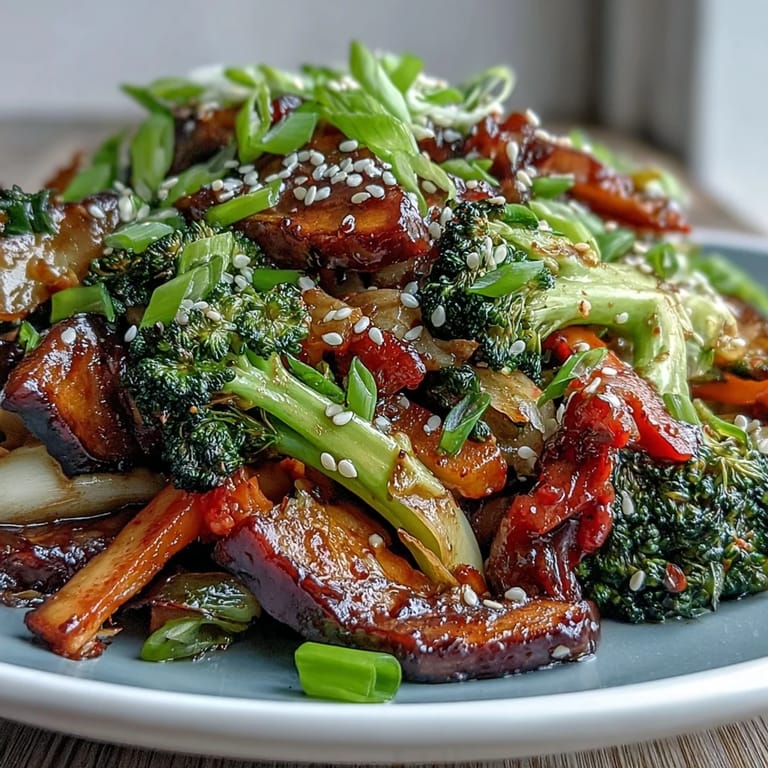
Save There was a night when my partner came home exhausted from work and I had this ready twenty minutes after they walked in the door. The warmth of it, the color, the fact that it tasted like restaurant food but felt like a hug, became its own kind of magic in our kitchen.
How to Build Your Own Winter Vegetable Base
The vegetables I've listed are my favorites, but this recipe is truly flexible depending on what's looking good at the market or what you've got hiding in your crisper drawer. Turnips, rutabaga, kale, Brussels sprouts, and even winter squash all work beautifully; the key is cutting them roughly the same size so they cook evenly. I once substituted half the broccoli with shredded lacinato kale and it was honestly better, adding a slight bitterness that played beautifully against the kimchi's spice.
Making It Hearty and Complete
This stir-fry is wonderful on its own, but if you're feeding hungry people or want something more substantial, serve it over steamed rice, quinoa, soba noodles, or even farro. Each base brings something different: rice soaks up the sauce like a dream, quinoa adds protein and a slight nutty flavor, and noodles make it feel more like a complete noodle dish. I've also spooned it over creamy mashed potatoes on nights when I wanted comfort food comfort food, and it was unexpectedly gorgeous.
Storage, Reheating, and Variations
This keeps beautifully in the fridge for three to four days, though the vegetables will soften further and the kimchi's punch will mellow slightly. Reheat gently in a pan over medium heat or in the microwave, and if it seems dry, add a splash of sesame oil or vegetable broth to bring it back to life. You can also prep all your vegetables the night before and store them separately so assembly is even faster the next day, making this a perfect weeknight ally when you're too tired to think.
- If you prefer less fermented funk, use less kimchi or add it just to your own bowl rather than to the whole pan.
- Swap the maple syrup for agave, coconut sugar, or even a touch of orange juice for a different depth of sweetness.
- Make it spicier by adding a pinch of red pepper flakes or a drizzle of chili oil at the end instead of more kimchi.
 Save
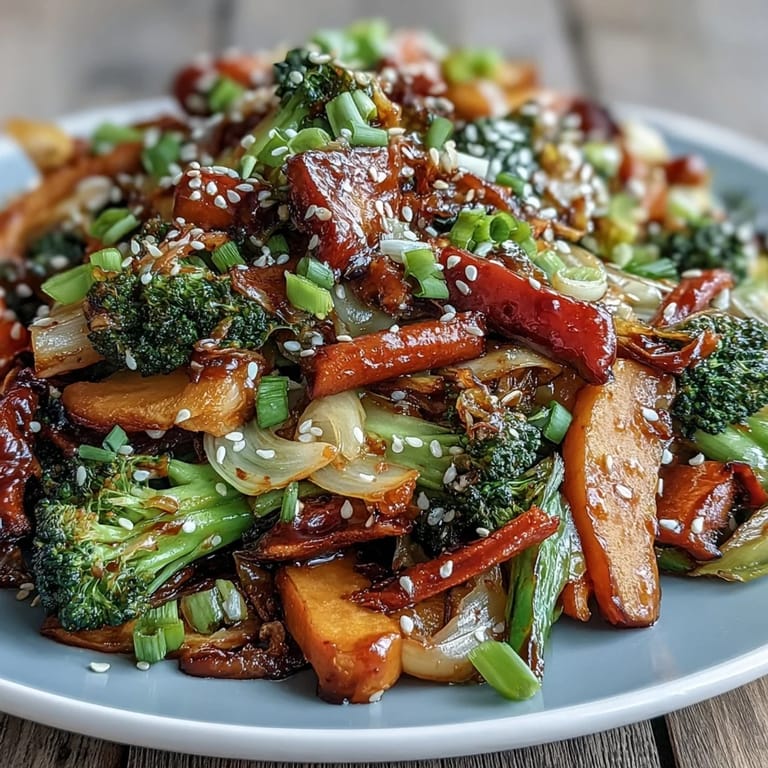
Save This dish has become my winter answer to everything: when I'm tired, when I'm broke, when I want to feel like I'm taking care of myself from the inside out. Make it once and you'll understand why it's become such a staple in my rotation.
Recipe FAQs
- → Can I use other fermented vegetables besides kimchi?
Yes, sauerkraut, pickled vegetables, or homemade fermented vegetables work well. Adjust seasonings to complement the flavor profile of your chosen fermented ingredient.
- → How do I keep the vegetables crisp-tender?
Stir-fry over medium-high heat and don't overcrowd the pan. Cook vegetables in batches if needed, adding denser vegetables like carrots and sweet potatoes first, then quicker-cooking items like cabbage and peppers.
- → Can I add protein to this dish?
Absolutely. Tofu, tempeh, edamame, or chickpeas make excellent plant-based additions. If you eat meat, sliced chicken, shrimp, or beef can be stir-fried before adding the vegetables.
- → Why add kimchi at the end instead of cooking it?
Adding kimchi at the end preserves its beneficial probiotics, which can be destroyed by high heat. It also maintains the kimchi's texture and prevents it from becoming too soft or mushy.
- → What other winter vegetables can I use?
Turnips, rutabaga, kale, Brussels sprouts, butternut squash, or cauliflower all work beautifully. Just adjust cooking times based on the density of the vegetables you choose.
- → Is this dish spicy?
The spice level depends on your kimchi. Traditional kimchi has some heat, but you can choose mild varieties or adjust the amount to suit your preference.