 Save
Save The smell of toasting sunflower seeds always pulls me back to a tiny apartment kitchen where I discovered that pesto doesn't need pine nuts to be extraordinary. I'd been eyeing the price of traditional pesto ingredients for weeks, feeling that familiar squeeze of trying to eat well on a tight budget. That first batch of sunflower seed pesto was a revelation—creamy, nutty, and somehow more comforting than anything I'd made before. Now it's become one of those recipes I return to whenever I need something that feels special without requiring a special occasion.
Last summer, I made this for a friend who swore she hated pesto. She watched me toast the seeds, their warm, nutty aroma filling the kitchen, and asked what I was making. When I served it, she took a skeptical bite and immediately reached for seconds. That's the thing about this dish—it wins people over quietly, without announcing itself as something different or special. It just tastes like comfort.
Ingredients
- 1 cup unsalted sunflower seeds: These become golden and fragrant when toasted, creating a rich, nutty base that's surprisingly creamy
- 2 cups fresh basil leaves: Packed tight—this is where all that bright, fresh flavor comes from
- 2 cloves garlic: Fresh garlic gives it a kick, but don't go overboard or it'll overpower everything else
- 1/2 cup grated Parmesan cheese: Adds that salty, umami depth that makes pesto feel complete
- 1/2 cup extra virgin olive oil: Use good quality oil here since you'll really taste it
- 1/4 cup water: This helps thin the pesto without adding more oil, making it lighter
- 2 tablespoons lemon juice: Brightens everything and cuts through the richness
- 1/4 teaspoon salt and black pepper: Start here and adjust—pesto needs seasoning to shine
- 400 g dried pasta: Whatever shape you love, though something with ridges holds the sauce beautifully
- 1/2 cup heavy cream: This is the secret to restaurant-style silkiness
Tired of Takeout? 🥡
Get 10 meals you can make faster than delivery arrives. Seriously.
One email. No spam. Unsubscribe anytime.
Instructions
- Toast the seeds:
- Cover every inch of your skillet with sunflower seeds over medium heat. Shake the pan occasionally and watch closely—they'll turn golden and start smelling amazing in just 3–4 minutes. Let them cool slightly before blending so they don't turn into a gummy mess.
- Blend the pesto:
- Throw the toasted seeds, basil, garlic, Parmesan, olive oil, lemon juice, salt, and pepper into your food processor. Pulse until it looks like a coarse paste, then add the water and keep blending until it's smooth and creamy. Stop to scrape down the sides—you want every bit of basil incorporated.
- Cook the pasta:
- Get your salted water boiling and cook the pasta until it's just al dente. Before draining, grab that 1/2 cup of pasta water—it's liquid gold for adjusting the sauce later. Drain the pasta but don't rinse it.
- Bring it together:
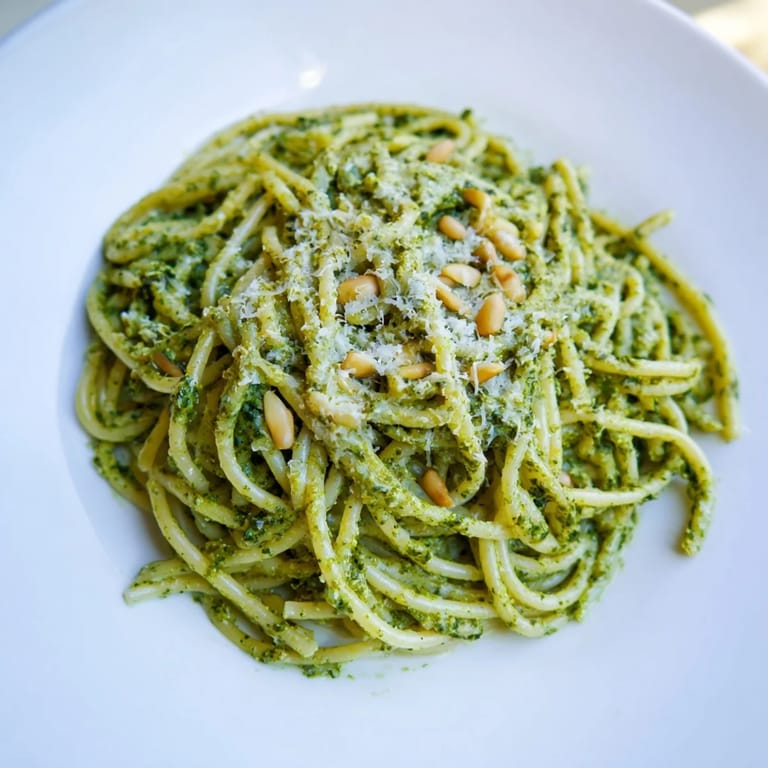
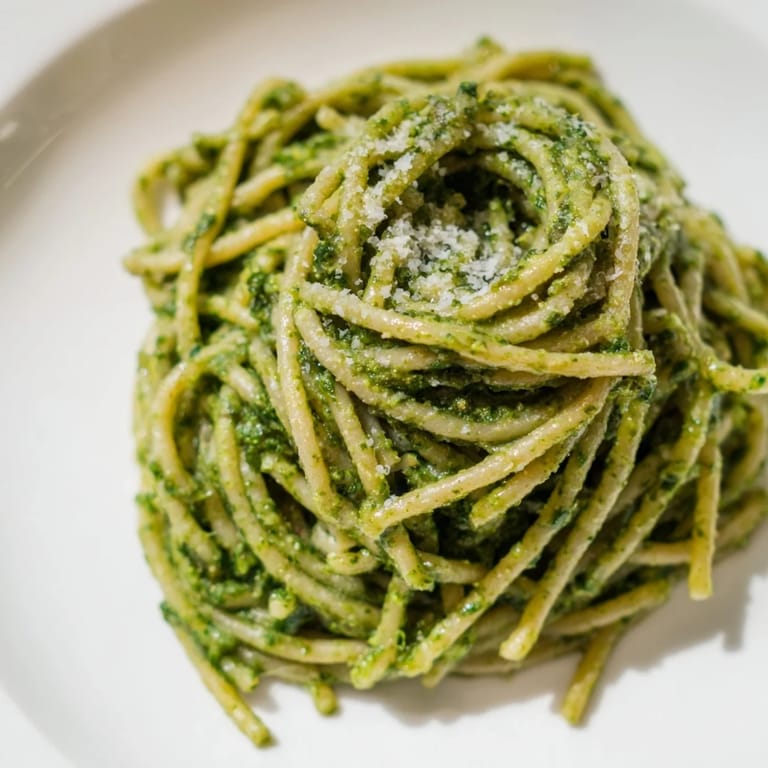
- Return the pasta to the same pot over low heat. Pour in the pesto and cream, tossing everything together until the noodles are coated. Add that reserved pasta water a splash at a time until the sauce clings to the pasta exactly how you like it. Taste it now—you might want more salt, pepper, or lemon.
 Save
Save There was a rainy Tuesday when I made this for dinner after a terrible day at work. Something about the process—toasting seeds, blending basil, watching everything come together—felt grounding. I ate it straight from the pot, standing at the stove, and for twenty minutes, everything felt okay again. That's the power of simple food made with care.
Making It Your Own
I've swapped basil for arugula when the garden ran out, added spinach for extra greens, and even tossed in roasted cherry tomatoes for sweetness. The pesto itself is a canvas—try half basil and half parsley, or throw in some softened sun-dried tomatoes. Once you understand the texture you're aiming for, you'll start seeing possibilities everywhere.
Storage and Make-Ahead Tips
The pesto keeps beautifully in the refrigerator for about a week, though the bright green color will darken—that's just oxidation and doesn't affect the taste. I freeze extra pesto in ice cube trays, then pop the frozen cubes into a freezer bag. When you need a quick dinner, just thaw a few cubes while the pasta cooks. It's like having a homemade shortcut in your back pocket.
Serving Suggestions
This pasta stands perfectly on its own, but sometimes I'll add shredded rotisserie chicken or white beans to make it more filling. A simple green salad with vinaigrette cuts through the richness, and crisp white wine feels like the right companion. For texture, toast extra sunflower seeds and sprinkle them on top.
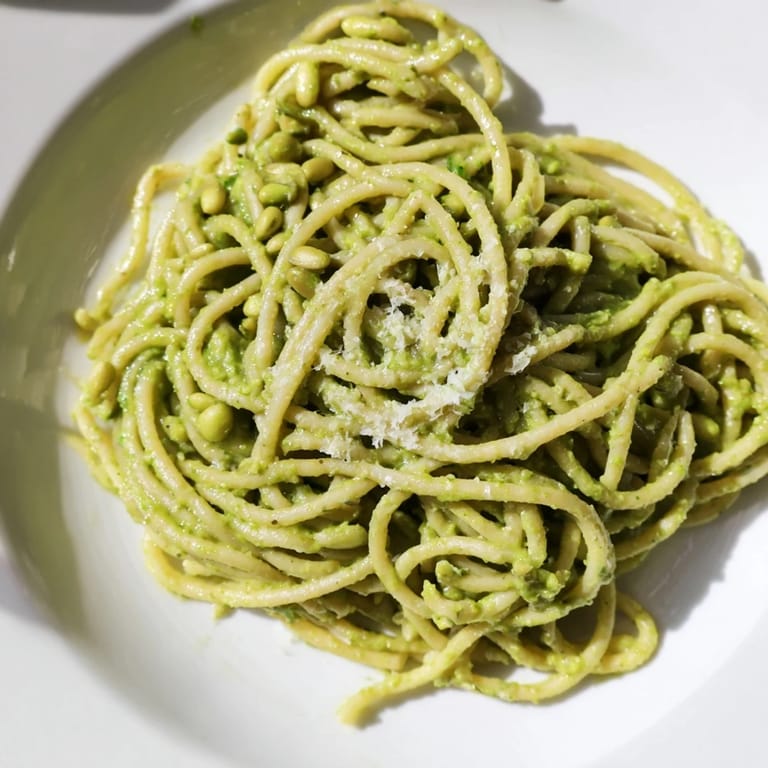
- Grate extra Parmesan over each bowl—it looks professional and tastes like a treat
- Keep a lemon wedge on the table for a last hit of brightness
- If reheating leftovers, add a splash of water to loosen the sauce
 Save
Save This is the kind of recipe that reminds me why I love cooking. It's simple, adaptable, and somehow always hits the spot. I hope it becomes one of your go-to comfort meals too.
Recipe FAQs
- → Can I make this pesto ahead of time?
Yes, the pesto keeps well in an airtight container in the refrigerator for up to 5 days. Store with a thin layer of olive oil on top to prevent browning. You can also freeze pesto for up to 3 months.
- → What pasta shapes work best with this sauce?
Tube-shaped pasta like penne, rigatoni, or fusilli holds the creamy pesto beautifully. Spaghetti and linguine also work well, though they may require slightly more sauce for even coating.
- → How do I adjust the sauce consistency?
Add reserved pasta water gradually while tossing to reach your preferred thickness. Start with small amounts, as the sauce continues to coat the pasta as it sits. More water creates a lighter sauce, while less creates a thicker coating.
- → Is this dish suitable for vegans?
Absolutely. Replace Parmesan with nutritional yeast and use plant-based cream instead of heavy cream. The sunflower seed base makes it naturally compatible with vegan diets without sacrificing creaminess or flavor.
- → What vegetables can I add to this dish?
Fresh peas, sautéed spinach, roasted cherry tomatoes, sun-dried tomatoes, or steamed broccoli florets all pair wonderfully. Toss additions in during the final step to warm through gently.
- → Why toast the sunflower seeds first?
Toasting develops deeper, nuttier flavors and enhances the seeds' natural oils, creating a richer pesto. It takes only 3-4 minutes and significantly improves the final taste profile.