 Save
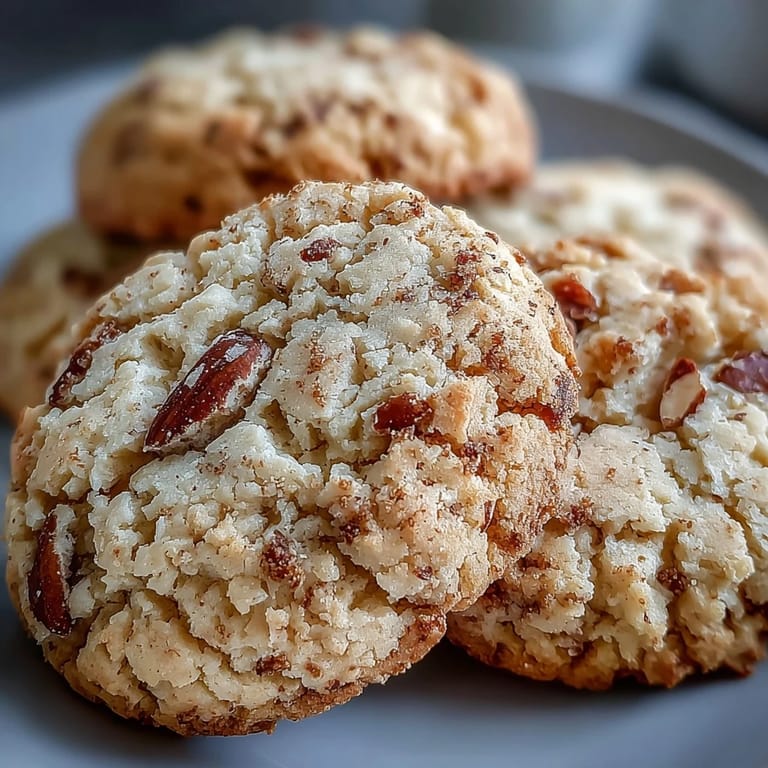
Save My first batch of hojicha shortbread happened by accident—I'd picked up a tin of roasted tea powder at a Japanese market and wanted to use it for something other than the obvious cup of tea. The toasty, almost caramel-like aroma got me thinking about butter, sugar, and simplicity. These cookies practically melted on my tongue, and suddenly I understood why shortbread is such a beloved canvas for subtle flavors. That single experiment became my go-to gift whenever someone needed something both elegant and genuinely delicious.
I brought these to a dinner party once, almost apologizing because they seemed too simple compared to everyone else's elaborate desserts. A friend who usually skips sweets ate four in a row without saying anything, then asked for the recipe with this quiet intensity that made me laugh. That's when I realized these aren't just cookies—they're the kind of thing people remember, the ones that prove restraint and quality always win.
Ingredients
- All-purpose flour (2 cups / 250 g): The foundation—use a light hand when measuring, spooning it into your cup rather than scooping straight from the bag, or you'll end up with a dense dough.
- Hojicha powder (2 tablespoons): This roasted green tea is the soul of the recipe; look for it in Japanese grocery stores or online, and avoid anything with added sugar.
- Fine sea salt (1/2 teaspoon): A whisper of salt brings out the tea's depth and keeps the cookies from tasting one-dimensional.
- Unsalted butter (1 cup / 225 g), softened: Let it sit on the counter for 20 minutes—cold butter won't cream properly, and you'll miss that crucial fluffy texture.
- Powdered sugar (2/3 cup / 80 g): Don't skip sifting it; lumps will ruin the smooth dough.
- Pure vanilla extract (1 teaspoon): This rounds out the hojicha and adds a quiet sweetness without dominating the flavor.
Tired of Takeout? 🥡
Get 10 meals you can make faster than delivery arrives. Seriously.
One email. No spam. Unsubscribe anytime.
Instructions
- Whisk the dry blend:
- In a medium bowl, whisk together the flour, hojicha powder, and salt until the tea powder is evenly distributed throughout—you want no streaks of darker powder hiding anywhere. Set it aside.
- Cream the butter and sugar:
- Beat the softened butter and powdered sugar together on medium speed for about two minutes until it's noticeably lighter in color and fluffy, like a cloud. This step aerates the dough and sets you up for melt-in-your-mouth results.
- Incorporate the vanilla:
- Add the vanilla extract and mix just until you can't see any streaks of it anymore; overdoing this does nothing but waste time.
- Bring the dough together:
- Add the dry ingredients slowly to the butter mixture, stirring gently until a soft, cohesive dough forms—stop as soon as everything is combined. Overworking develops gluten, which makes shortbread tough instead of tender.
- Shape and chill:
- Divide the dough in half and shape each piece into a log about 1.5 inches in diameter, wrap tightly in plastic wrap, and refrigerate for at least 30 minutes until it's firm enough to slice cleanly. You can make these logs the night before if that fits your schedule better.
- Prepare your oven:
- Heat the oven to 325°F and line two baking sheets with parchment paper—this temperature is lower than most cookie recipes, which keeps the delicate shortbread from browning too quickly.
- Slice and arrange:
- Remove one log from the fridge, slice it into 1/4-inch thick rounds with a sharp, thin-bladed knife using gentle sawing motions, and place them on your prepared baking sheets about an inch apart. Cold dough is much easier to slice without crumbling.
- Bake with care:
- Bake for 18 to 20 minutes—the cookies should look barely golden at the edges while the centers remain pale and soft. This is the hardest part because they'll seem underdone, but they firm up as they cool.
- Cool with patience:
- Let them sit on the baking sheets for five minutes to set slightly, then transfer them to a wire rack where they'll finish cooling and become perfectly crisp. This brief rest prevents them from breaking apart.
 Save
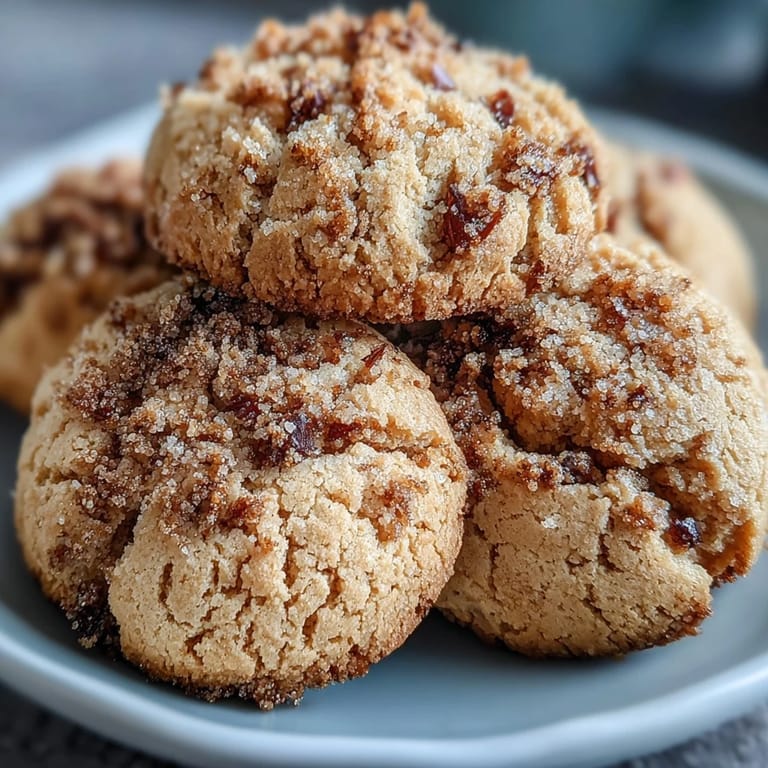
Save There's something almost meditative about slicing these logs and watching the hojicha powder create this subtle speckled pattern throughout. It's the kind of cookie that doesn't need fancy toppings or complicated techniques, just butter, tea, and patience—and somehow that's exactly what people want.
The Hojicha Advantage
Roasted tea tastes completely different from fresh green tea—where fresh tea can be grassy and vegetal, hojicha has been roasted until it develops caramel and nutty undertones that feel less like a beverage and more like a whispered flavor in the background. This means it won't compete with the butter; instead, it deepens it. I discovered this the hard way after trying regular matcha in these same cookies, which turned them slightly bitter. Hojicha is gentler, more forgiving, and honestly more delicious.
Variations Worth Trying
Once you understand how this recipe works, you can play with it gently. Some people dust the finished cookies with a tiny bit more hojicha powder mixed with powdered sugar for a more intense tea flavor, or they dip half of each cookie in melted dark chocolate, which adds richness without overwhelming the delicate tea notes. You could also try a light brush of egg wash before baking to give them a subtle shine, though honestly they're beautiful as they are. The key is to change one thing at a time so you understand what works and what doesn't.
Storage and Gifting
These cookies keep beautifully in an airtight container at room temperature for up to five days, and they actually taste better on day two or three when the flavors have had time to settle into each other. I always bake a batch and let them sit for a day before wrapping them as gifts because there's something special about giving someone a cookie that's already reached its potential. If you're shipping them, pack them snugly with parchment between layers—they're sturdy enough to travel.
- A one-pound tin lined with parchment paper is the perfect vessel for giving these away.
- They pair beautifully with hojicha tea, of course, but also with coffee or even a simple glass of cold milk.
- Make extra dough and freeze the logs for up to three months; bake them straight from the freezer, just add a minute or two to the baking time.
 Save
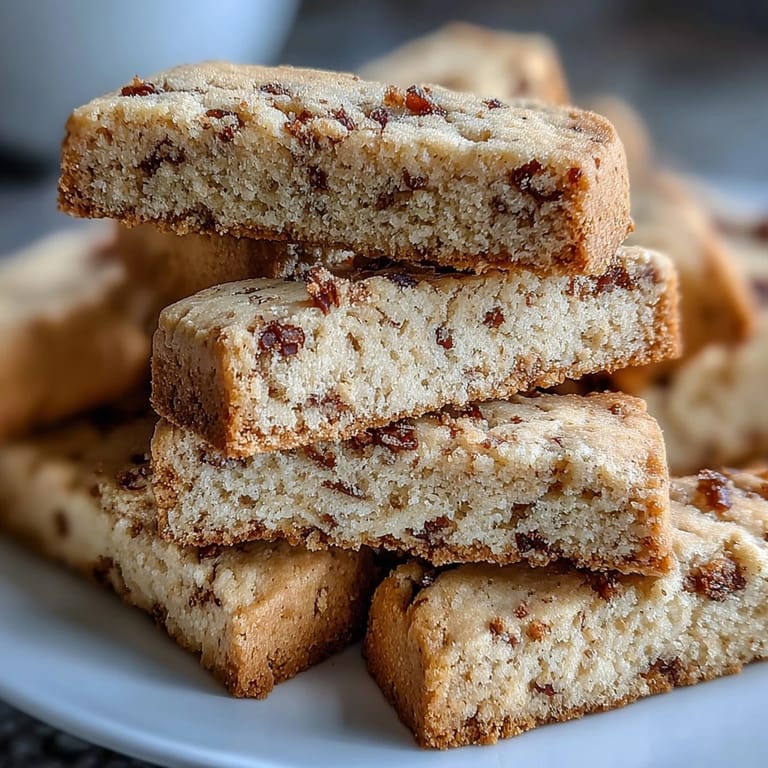
Save These hojicha shortbread cookies prove that sometimes the most memorable treats come from curiosity and simplicity—a tin of tea powder, some butter, and the willingness to let a quiet flavor shine. Make them once and you'll understand why people keep coming back to them.
Recipe FAQs
- → What does hojicha taste like in baked goods?
Hojicha brings warm, toasty, and nutty notes with subtle earthiness. Unlike matcha's grassy brightness, roasted hojicha adds caramel-like depth that pairs exceptionally well with butter and vanilla in shortbread.
- → Can I substitute hojicha powder with other teas?
Matcha powder works but yields a grassier, more vibrant flavor. Earl Grey tea powder or Chinese roasted oolong could provide interesting variations, though the profile will differ from traditional hojicha.
- → Why must the dough chill before baking?
Chilling firms the butter-rich dough, ensuring clean slices and preventing cookies from spreading too much in the oven. This step is essential for achieving those crisp edges and tender centers.
- → How should I store these shortbread cookies?
Keep in an airtight container at room temperature for up to 5 days. The butter content creates a natural seal, maintaining freshness without refrigeration. Avoid storing near strong odors as shortbread absorbs aromas easily.
- → What makes these cookies suitable for beginners?
The dough comes together quickly without complex techniques. Electric mixing does most of the work, and the slice-and-bake method eliminates rolling and cutting. Plus, these forgiving cookies taste delicious even if slightly overbaked.