 Save
Save I discovered hojicha fudge quite by accident during a quiet afternoon in my kitchen, when a friend left behind a tin of roasted green tea powder and I was determined not to waste it. The aroma alone—nutty, toasted, almost mysterious—had me imagining it swirled into something warm and chocolatey. What started as curiosity turned into an obsession with creating the perfect balance between that earthy tea and rich cocoa, and after a few attempts, I landed on this impossibly smooth, melt-on-your-tongue fudge that tastes like a secret whispered by someone who truly understands comfort.
I'll never forget serving these to my book club on a particularly stressful evening when everyone arrived looking frazzled by their weeks. One person took a single piece, and within seconds the whole room fell quiet in that way that only happens when food speaks louder than conversation. By the end of the night, the container was empty and someone was already asking for the recipe—which made me realize that sometimes the simplest homemade gifts carry the most weight.
Ingredients
- Dark chocolate (60–70% cacao), 200 g chopped: This is your foundation, so choose something you actually enjoy eating on its own; the percentage matters because too dark becomes bitter, too light becomes one-dimensional.
- Milk chocolate, 100 g chopped: This softens the intensity and adds a subtle sweetness that makes the fudge feel approachable rather than austere.
- Unsalted butter, 100 g cut into pieces: Softening it before melting helps everything come together smoothly without any grainy texture lurking in your final bite.
- Sweetened condensed milk, 1 can (397 g): This is the secret weapon that gives fudge its signature dense, luxurious mouthfeel—don't skip it or use evaporated milk as a substitute.
- Hojicha powder, 2 tbsp: Roasted green tea powder is essential here; it provides that warm, slightly nutty, toasted character that makes people tilt their head and wonder what you did.
- Vanilla extract, 1 tsp: A small amount rounds out the flavors without announcing itself, keeping focus on the star of the show.
- Salt, a pinch: This tiny amount heightens everything else and prevents the fudge from feeling cloying.
Tired of Takeout? 🥡
Get 10 meals you can make faster than delivery arrives. Seriously.
One email. No spam. Unsubscribe anytime.
Instructions
- Line your pan with purpose:
- Cut a piece of parchment paper larger than your 20 x 20 cm pan and let it overhang on two sides; this is what lets you lift the entire fudge block out cleanly instead of scraping and cursing.
- Combine your chocolates and butter:
- Chop both chocolates into pieces roughly the size of almonds so they melt evenly without any stubborn chunks hiding in the corners.
- Melt over gentle heat:
- Set a heatproof bowl over simmering (not boiling) water, letting the steam do the work slowly; rushing this step with direct heat can make chocolate seize up and feel grainy instead of silky. Stir gently and patiently until everything flows like liquid gold.
- Remove and season the mixture:
- Take the bowl off heat and add your condensed milk, hojicha powder, vanilla, and salt all at once, then stir for a full minute to dissolve the powder completely and eliminate any hidden clumps.
- Pour and smooth:
- Transfer the mixture to your lined pan and use a spatula to spread it level; this moment determines whether your final pieces look handmade or hasty.
- Let patience do the work:
- Refrigerate for at least two hours, though I often leave mine overnight because the flavor deepens slightly as it rests and the texture becomes even more set.
- Cut and store:
- Lift the entire block out using the parchment, place it on a cutting board, and use a sharp knife to cut it into 16 equal squares; wiping the blade between cuts keeps them looking clean and intentional.
 Save
Save There was a moment when my sister bit into one of these and closed her eyes, and I realized that fudge is never really just about chocolate and butter—it's about creating something dense enough to demand that someone stop, sit, and actually taste it. That small pause she took made the entire batch feel worth every careful stir.
The Tea-Chocolate Connection
Hojicha is roasted green tea that's been heated until it turns a warm brown and loses its sharp grassy edge, becoming something almost coffee-like and deeply comforting. When paired with dark chocolate, it doesn't fight or compete—instead it creates this understated harmony where the chocolate feels richer and the tea feels more luxurious, like they were always meant to exist together on your tongue.
Texture and Why It Matters
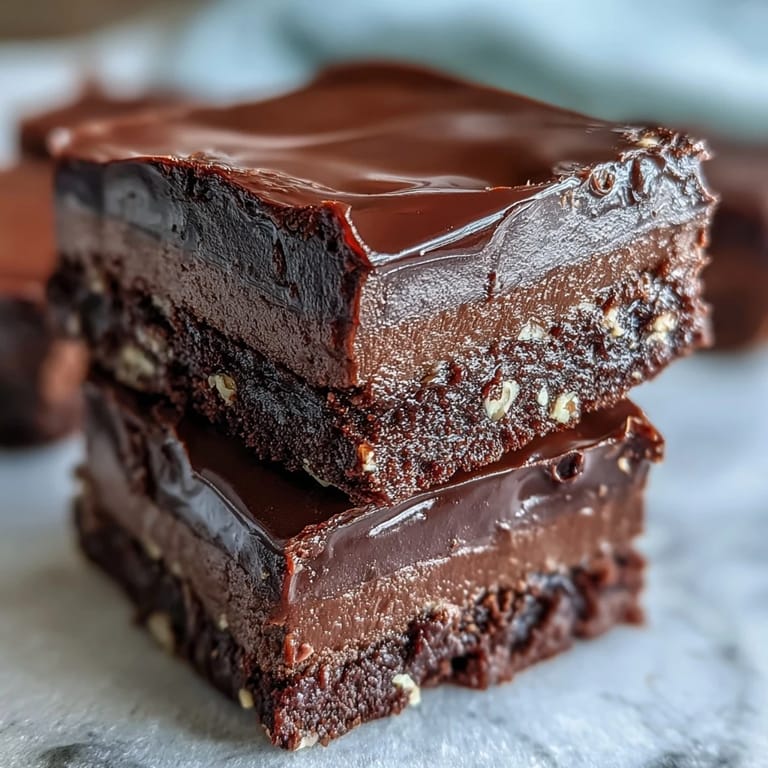
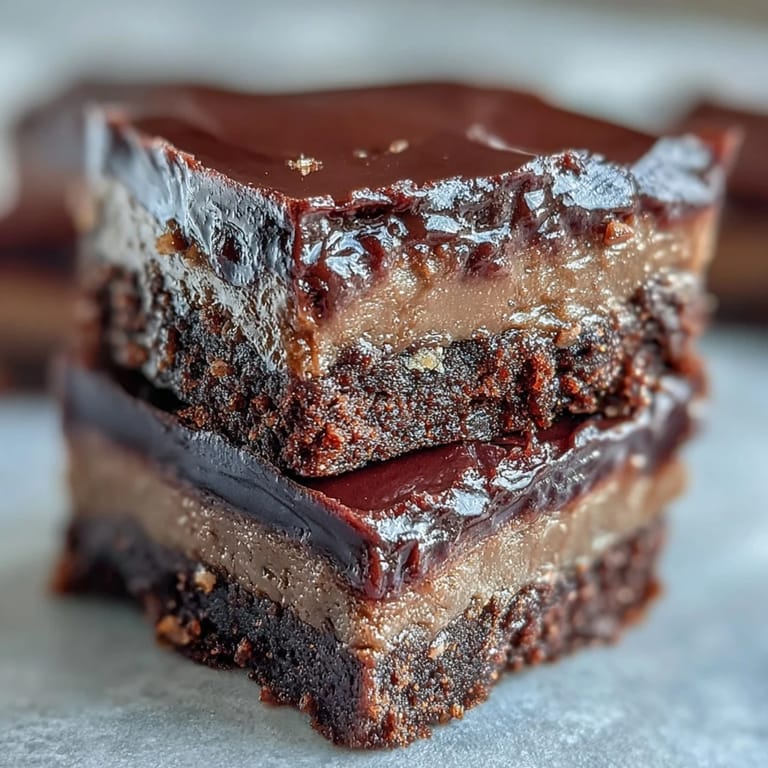
The texture of this fudge is deliberately dense and creamy, the kind that melts slowly across your palate rather than crumbling. This comes from respecting both the double boiler method and the condensed milk ratio; rush either one and you end up with something that crumbles or feels greasy instead of silky.
Variations and Serving Ideas
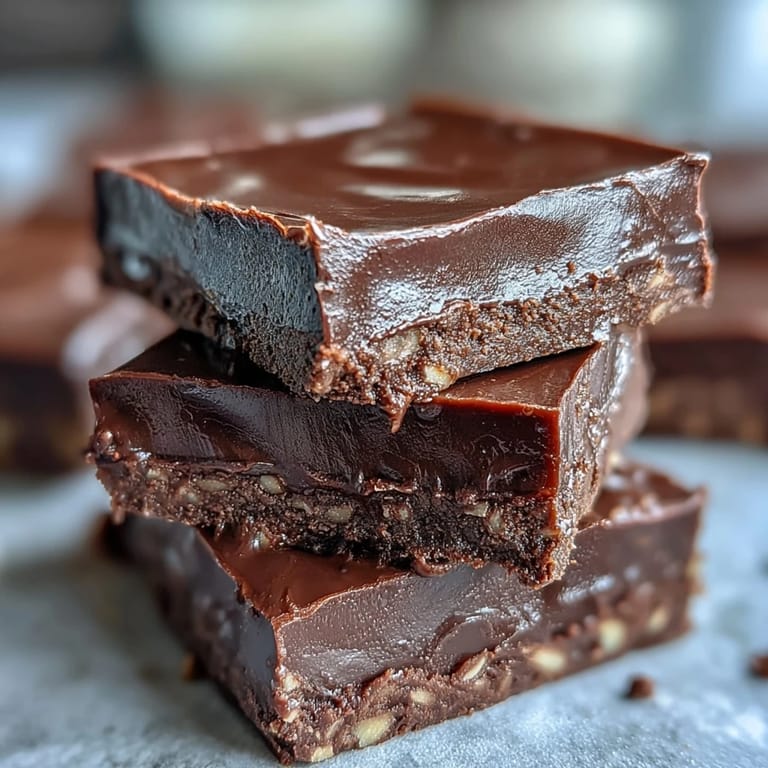
This recipe is deceptively flexible despite its simplicity—I've folded in toasted nuts before pouring, dusted finished pieces with a whisper of hojicha powder to make them look professionally plated, and even pressed a single almond or walnut half into the top of each piece before it fully set. The beauty is that any addition respects the base rather than overwhelming it, so trust your instincts and your pantry.
- Toast 50 g of walnuts or almonds until fragrant, chop them, and fold into the mixture just before pouring for a subtle crunch that feels intentional.
- Dust the finished fudge with extra hojicha powder or a tiny pinch of fleur de sel for a more refined presentation.
- Store pieces in parchment between layers in an airtight container so they don't stick together during their refrigerated life.
 Save
Save This fudge has become my go-to gift for people who seem to have everything, because there's something about homemade fudge that feels like you actually paid attention to who they are. Share it slowly and watch people understand why something so simple can taste so complete.
Recipe FAQs
- → What does hojicha taste like?
Hojicha offers a distinctive roasted, nutty flavor with caramel-like undertones. Unlike grassy green teas, the roasting process creates warm, toasty notes that complement chocolate beautifully while adding subtle earthy depth.
- → Can I substitute matcha powder?
No, matcha and hojicha have completely different flavor profiles. Matcha is vibrant and grassy while hojicha is roasted and nutty. The substitution would dramatically alter the intended taste and aromatic qualities of this confection.
- → How long will the fudge stay fresh?
When stored in an airtight container in the refrigerator, this fudge maintains optimal texture and flavor for up to one week. The cool environment prevents melting while preserving the smooth, creamy consistency.
- → Why use both dark and milk chocolate?
The combination creates balanced sweetness and depth. Dark chocolate provides intensity and sophisticated cocoa notes, while milk chocolate contributes creaminess and rounds out the bittersweet elements for a perfectly luxurious mouthfeel.
- → Can I make this without a double boiler?
Yes, you can microwave the chocolate and butter in 30-second intervals, stirring between each session. However, monitor carefully to prevent seizing or scorching, as the double boiler provides more consistent, gentle heating.
- → What beverages pair well with this?
Unsweetened green tea provides a beautiful contrast that enhances the roasted notes. For an elegant finish, try a light dessert wine or sake. The nutty, caramel flavors also complement coffee perfectly.