 Save
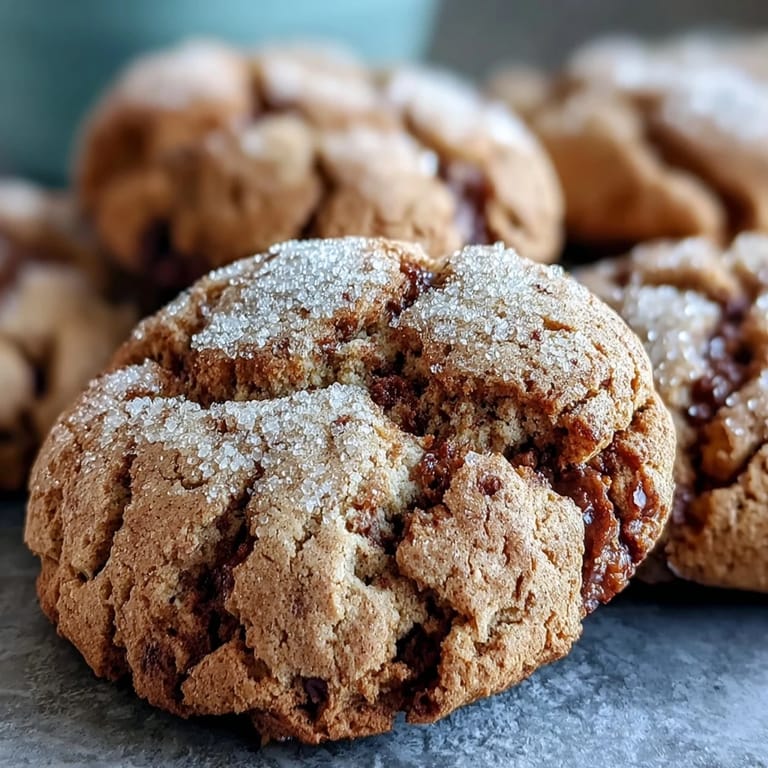
Save I stumbled upon hojicha at a small tea shop tucked between office buildings, where an elderly barista handed me a tiny sample cup with the kind of care usually reserved for precious things. The roasted green tea tasted nothing like the bright, grassy matcha I'd expected—instead, it was warm, almost nutty, with this smoky whisper that reminded me of autumn afternoons. That afternoon, I couldn't stop thinking about how those flavors might translate into something you could hold in your hand, something that melted on your tongue. So I went home and started experimenting, and these hojicha cookies became the accidental result of chasing that specific moment of discovery.
My neighbor came over on a rainy Tuesday asking if I had anything comforting, and I pulled these cookies from the tin still warm from the oven. She bit into one and went completely quiet, which in her case meant something had worked. She asked what made them taste so different, so distinct, and I loved explaining that it was roasted tea—the kind of ingredient that makes people lean in closer and ask more questions. That's when I knew these weren't just cookies; they were conversation starters, the kind of small thing that lingers in someone's memory longer than you'd expect.
Ingredients
- All-purpose flour (1 1/2 cups): The neutral base that lets the hojicha shine without competing for attention.
- Hojicha powder (2 tbsp): This is where the magic happens—roasted green tea that's been gently heated until it becomes this earthy, toasty version of itself, nothing harsh or bitter.
- Baking soda (1/2 tsp): Just enough to give the cookies a delicate lift and that subtle spread that makes edges crispy.
- Fine sea salt (1/4 tsp): A pinch that wakes up the hojicha flavor and keeps the sweetness from becoming one-note.
- Unsalted butter (1/2 cup), softened: Room temperature is non-negotiable here—cold butter won't cream properly and you'll end up with dense little hockey pucks instead of tender cookies.
- Granulated sugar (3/4 cup): The sweetness that balances the hojicha's earthiness, creating that back-and-forth on your palate.
- Large egg (1): Acts as both binder and moisture, making these cookies tender rather than crumbly.
- Pure vanilla extract (1 tsp): A small amount that complements without overshadowing the roasted tea character.
Tired of Takeout? 🥡
Get 10 meals you can make faster than delivery arrives. Seriously.
One email. No spam. Unsubscribe anytime.
Instructions
- Get your oven ready:
- Preheat to 350°F and line your baking sheet with parchment paper, giving yourself a clean surface that won't stick and will let heat distribute evenly underneath.
- Combine the dry team:
- Whisk flour, hojicha powder, baking soda, and salt together in a medium bowl, taking a second to really blend them so the hojicha doesn't clump up in patches. This matters more than you'd think.
- Cream butter and sugar into clouds:
- Beat softened butter with sugar until it's pale and fluffy, roughly 2 to 3 minutes—you're essentially whipping air into the mixture, which creates that tender crumb everyone loves. Stop when it looks almost cloud-like.
- Add the egg and vanilla:
- Crack in your egg and pour in the vanilla, beating until everything looks unified and smooth, about a minute of mixing.
- Fold in the dry ingredients gently:
- Add your flour mixture slowly, mixing just until you don't see streaks of white anymore—overmixing at this point develops gluten and makes cookies tough instead of delicate. Trust your instinct to stop early.
- Portion and space:
- Scoop tablespoon-sized amounts of dough onto your prepared sheet, leaving about 2 inches between each one so they have room to spread without touching. The cookies will puff slightly as they bake.
- Bake until edges turn golden:
- Set your timer for 10 to 12 minutes, watching for the moment when edges just begin to turn light golden while centers still look slightly underbaked. They'll continue cooking as they cool.
- Cool with patience:
- Leave cookies on the hot baking sheet for 5 minutes to firm up, then transfer to a wire rack where air can circulate underneath. This is when they finish setting and develop that perfect texture.
 Save
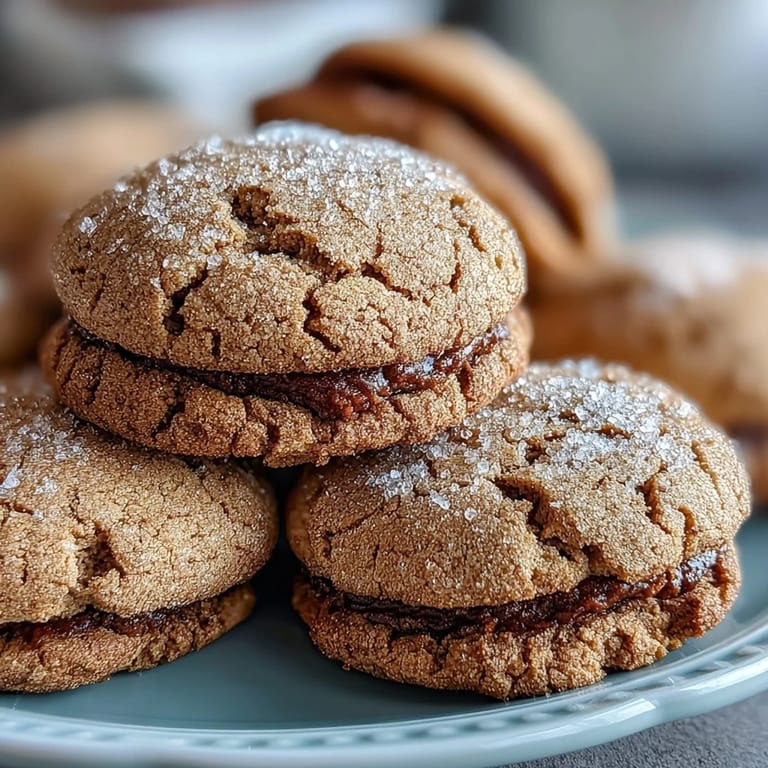
Save There's a moment in baking where a kitchen suddenly smells like something you didn't plan to miss—and that's what happened here. The hojicha hitting the heat released this warm, almost woodsmoke-like fragrance that pulled someone from another room asking what on earth I was making. I handed them a still-warm cookie and watched their face shift from curiosity to understanding, that moment when a new favorite is quietly being born.
Adjusting the Hojicha Intensity
Two tablespoons of hojicha powder gives you a gentle, sophisticated flavor that whispers rather than shouts, but if you're the type who tastes something good and immediately wants more of it, you can push this up to 3 tablespoons. The cookies will become darker in color and the roasted character will be unmistakable, though the sweetness stays exactly the same—so taste as you go if you're experimenting for the first time. I've found that anything beyond 3 tablespoons starts to overshadow the buttery base, which would be a shame since the two flavors together are what makes these special.
Optional Mix-Ins for Texture
The original cookies are beautiful in their simplicity, but sometimes you want to fold in white chocolate chips or chopped pistachios or even candied ginger for a flavor echo that dances with the hojicha. Add these after the dry ingredients are mixed in, just a handful distributed through the dough—they don't change the bake time but they do change the eating experience, giving you little surprises throughout. I've learned that restraint matters here; too many additions and you lose what makes the hojicha special.
Storage and Keeping Them Fresh
Once completely cooled, these keep beautifully in an airtight container at room temperature for up to 4 days, though in my experience they rarely last that long. They're the kind of cookie people grab one of when they pass by, then another, then wonder where they all went. If you want them to keep longer, you can freeze them for up to three weeks—they thaw quickly and taste almost as good as fresh, though that first-day tenderness never quite returns.
- Store them in a container with parchment between layers so they don't stick together or develop flat spots.
- Keep them away from other strong flavors like onions or coffee since cookies absorb smells easily.
- If they do start to soften, a few minutes in a warm oven brings back some crispness to the edges without drying out the centers.
 Save
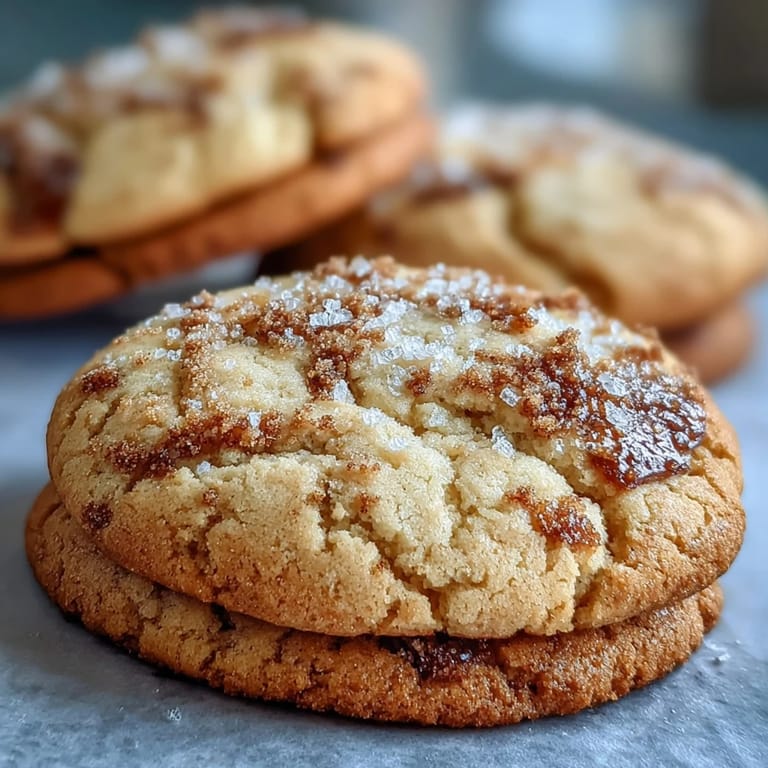
Save These hojicha cookies taught me something unexpected about baking: the smallest shift in ingredients can create something entirely new from familiar ground. They're proof that adventure doesn't always require complexity.
Recipe FAQs
- → What does hojicha taste like in cookies?
Hojicha imparts a distinctive nutty, smoky flavor with subtle earthy undertones. The roasted green tea creates a warm, comforting taste profile that balances beautifully with the buttery sweetness of the cookie base.
- → Can I substitute regular matcha for hojicha powder?
While possible, the flavor profile will change significantly. Matcha is more grassy and vegetal, while hojicha offers a mellower, roasted character. If substituting, reduce the amount slightly as matcha can be more bitter.
- → How do I know when the cookies are done baking?
The cookies are ready when the edges are lightly golden, typically after 10-12 minutes at 350°F. The centers may still appear slightly soft but will firm up as they cool during the 5-minute resting period on the baking sheet.
- → Can I freeze the dough or baked cookies?
Yes, both freeze well. Scoop raw dough onto a baking sheet, freeze until firm, then transfer to a freezer bag for up to 3 months. Bake from frozen, adding 1-2 minutes to the baking time. Baked cookies freeze for up to 3 months in airtight containers.
- → What additions work well with hojicha cookies?
White chocolate chips complement the smoky hojicha flavors beautifully. Chopped pecans, walnuts, or macadamia nuts add pleasant crunch. For a modern twist, try folding in toasted sesame seeds or a drizzle of miso caramel.
- → Is hojicha powder the same as loose leaf tea?
No, you need the powder form for baking. Hojicha powder is finely ground roasted green tea leaves, similar to matcha but with a darker, reddish-brown color. Grinding loose leaf tea yourself won't achieve the fine consistency needed for proper distribution in the dough.