 Save
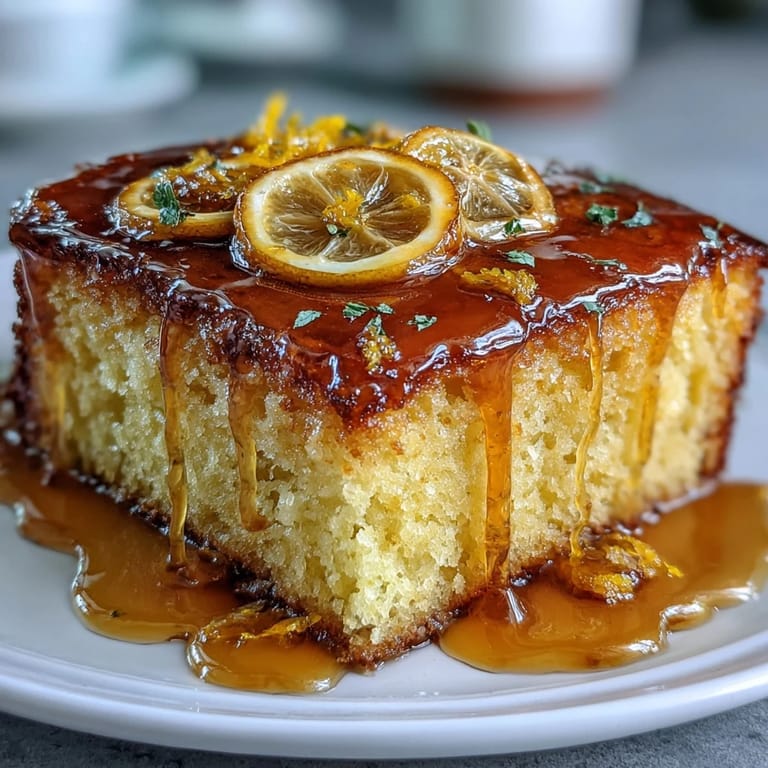
Save My kitchen smelled like a Sicilian lemon grove the afternoon I first made this cake—not because I'd planned it that way, but because a bottle of Limoncello had been sitting on my shelf for months, practically begging to be used. I'd been scrolling through dessert ideas when the idea hit: why not infuse a simple pound cake with all that bright, boozy citrus goodness? The result was so unexpectedly tender and fragrant that I found myself making it again the very next week, this time without hesitation.
I brought this cake to my sister's book club last spring, and watching a room of usually reserved readers light up at first bite was something I won't forget. One woman actually closed her eyes while eating it, and another immediately asked if I could make one for her daughter's wedding shower. That's when I realized this wasn't just a cake—it was the kind of dessert that makes people feel celebrated.
Ingredients
- Unsalted butter, softened (1 cup/225 g): Soft butter creams more smoothly with sugar, creating that light, fluffy base that makes pound cake sing—never use cold butter straight from the fridge.
- Granulated sugar (2 cups/400 g): The sugar does more than sweeten; it aerates the batter when creamed with butter, giving the cake its tender structure.
- Large eggs, room temperature (4): Room-temperature eggs blend seamlessly into the batter without creating lumps, and they help the cake rise evenly.
- Limoncello liqueur (1/4 cup/60 ml): This is the soul of the cake—the alcohol cooks off, leaving behind concentrated lemon flavor and keeping the crumb moist.
- Whole milk, room temperature (1/4 cup/60 ml): Milk adds richness and helps balance the acidity from the lemon juice.
- Freshly grated lemon zest (2 tbsp from about 2 lemons): Always zest before juicing; the tiny yellow bits are where the oil and flavor live, so don't skip this step.
- Fresh lemon juice (1/4 cup/60 ml): Freshly squeezed makes all the difference—bottled juice tastes flat and slightly bitter by comparison.
- All-purpose flour (2 1/2 cups/315 g): This is your structural foundation, so measure by weight if you can for accuracy.
- Baking powder (1 1/2 tsp): Just enough lift without making the cake cakey or letting it dome awkwardly in the center.
- Salt (1/2 tsp): Salt sounds like an odd choice in dessert, but it amplifies the lemon flavor and prevents the sweetness from becoming cloying.
- Powdered sugar, sifted (1 cup/120 g): Sifting removes lumps so your glaze stays smooth and glossy.
- Lemon juice for glaze (2–3 tbsp fresh): The ratio of juice to sugar determines whether your glaze is thick and opaque or thin and drizzly—start with 2 tbsp and add more if needed.
- Limoncello for glaze (1 tbsp): A smaller amount here keeps the flavor bright without making the glaze too loose.
- Extra lemon zest for topping (optional): A sprinkle of zest right after glazing adds color, texture, and one final reminder of why you love this cake.
Tired of Takeout? 🥡
Get 10 meals you can make faster than delivery arrives. Seriously.
One email. No spam. Unsubscribe anytime.
Instructions
- Prepare your pan and preheat:
- Set your oven to 350°F (175°C) and grease your loaf pan or bundt pan thoroughly, then dust with flour so the finished cake releases cleanly. This step takes 2 minutes but saves you heartbreak.
- Cream butter and sugar:
- In a large bowl, beat the softened butter and sugar together for 3 to 4 minutes until the mixture is pale, fluffy, and looks almost like frosting. You're aerating the batter here, creating tiny pockets that make the cake tender.
- Add eggs slowly:
- Beat in each egg one at a time, letting each one fully incorporate before adding the next—this prevents a broken, curdled batter. If it looks slightly separated, don't panic; it'll come together once you add the wet ingredients.
- Mix in lemon flavors and liquid:
- Stir in the lemon zest, Limoncello, fresh lemon juice, and milk until just combined; the batter will smell intoxicatingly citrusy at this point. Don't overmix, or the batter becomes tough.
- Combine dry ingredients:
- In another bowl, whisk together the flour, baking powder, and salt to distribute the leavening evenly. Whisking takes 30 seconds and ensures your cake rises uniformly.
- Fold wet and dry together:
- Add the dry mixture to the wet ingredients and stir gently, just until no streaks of flour remain—overmixing develops gluten, making the cake dense. The batter should look thick and creamy.
- Pour and smooth:
- Transfer the batter to your prepared pan and use a spatula to gently smooth the top so it bakes evenly. A small dip in the very center helps prevent a huge dome.
- Bake until golden:
- Bake for 50 to 55 minutes, until the top is golden brown and a toothpick inserted into the center comes out clean or with just a few moist crumbs. If it's browning too fast, tent it loosely with foil.
- Cool gradually:
- Let the cake rest in the pan for 15 minutes—this allows the crumb to set slightly so it doesn't fall apart when turned out. Then invert onto a wire rack and cool completely before glazing.
- Make the glaze:
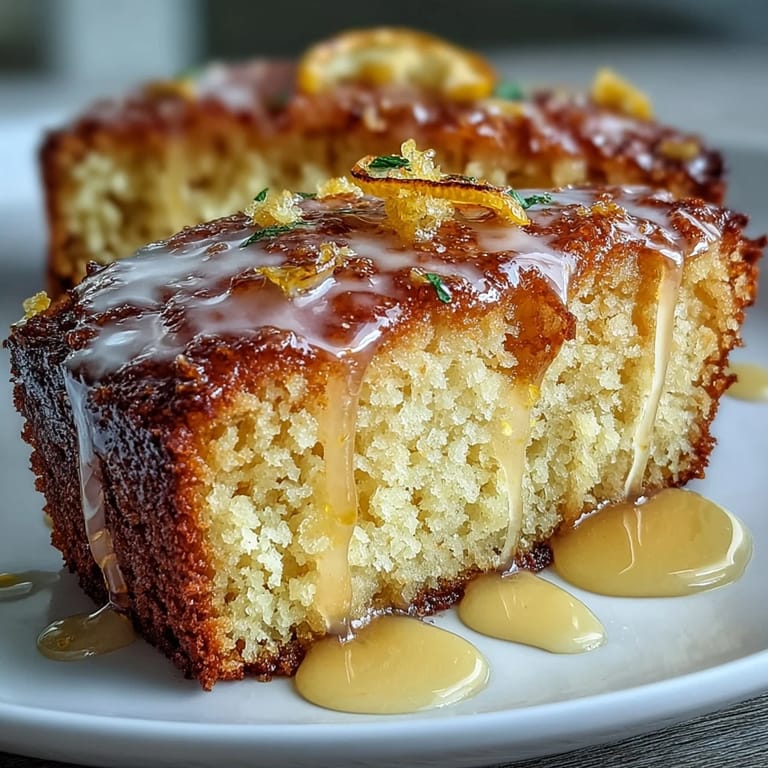
- Whisk together the sifted powdered sugar, lemon juice, and Limoncello until completely smooth; if it's too thick, add more juice one teaspoon at a time. The glaze should drip slowly off a spoon, not plop.
- Glaze and finish:
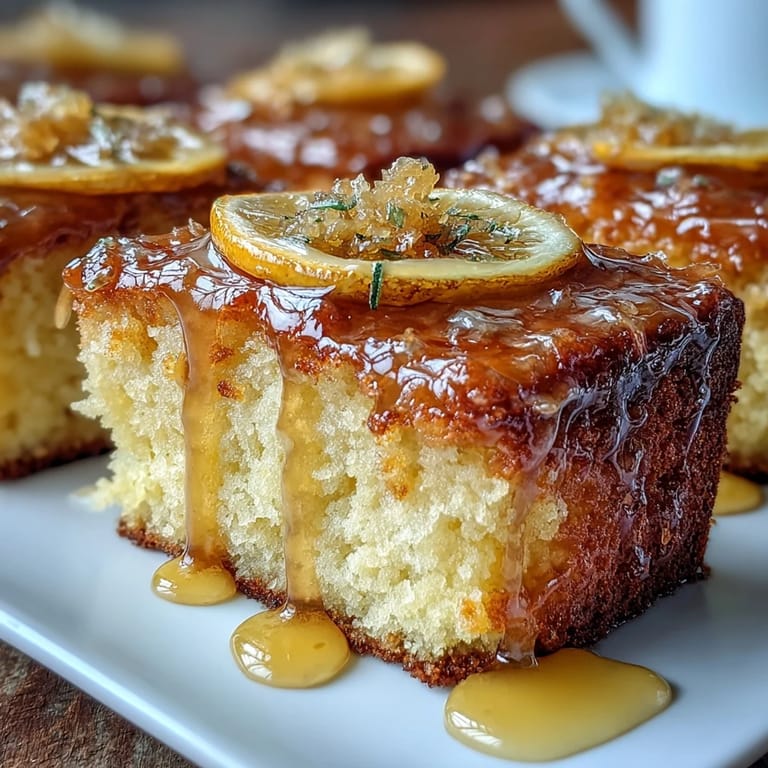
- Once the cake is completely cool, pour or drizzle the glaze over the top, letting it cascade down the sides if you're using a bundt pan. Top with extra lemon zest right away, while the glaze is still sticky so it adheres.
 Save
Save There's something about serving a slice of this cake with afternoon tea that feels like a small luxury—the kind of thing that makes an ordinary Tuesday feel intentional. My grandmother, who barely baked anymore, actually asked me to walk her through making it, which meant she wanted to bake it for herself, and that felt like the highest compliment I could receive.
Why This Cake Stands Out
Unlike heavier traditional pound cakes that can be dense and dry, the combination of Limoncello and fresh lemon juice keeps every bite tender and bright. The alcohol cooks off completely, leaving only its gift of moisture and that distinctive bright-citrus flavor that makes people ask if you added some secret ingredient. The glaze on top isn't just decoration—it's a second layer of lemon flavor that prevents the cake from tasting flat or one-note.
The Science of Lemon in Baking
Lemon zest contains essential oils that are incredibly potent; they're why you can smell the cake baking from another room entirely. Lemon juice adds acid, which reacts with baking soda or baking powder to create lift, but in this recipe it mainly adds flavor and moisture—the zest is where the real magic lives. I learned that pairing zest with Limoncello creates a flavor that's more complex and subtle than either would be alone; the liqueur rounds out the sharp citrus edges and adds a gentle warmth.
Serving and Storage Secrets
This cake actually tastes better the next day because the flavors meld and deepen overnight—I always make it a day ahead of serving if I can. Wrapped tightly in plastic wrap or stored in an airtight container, it keeps for up to five days without drying out, making it a gift-friendly dessert. Serve thick slices slightly warm or at room temperature with fresh whipped cream, berries, or simply on its own so the lemon flavor shines.
- If you don't have Limoncello on hand, you can use vodka infused with lemon zest for a week, or substitute all the Limoncello with extra fresh lemon juice and a touch of vanilla extract.
- For a more elegant presentation, use a bundt pan instead of a loaf pan—the shape photographs beautifully and impresses guests without extra effort.
- Always let the glaze set completely before slicing, or it'll crack and slide off; patient slicing with a hot, wet knife gives the cleanest cuts.
 Save
Save Every time I make this cake, I'm reminded that the simplest desserts—butter, sugar, eggs, and citrus—are often the ones that linger longest in memory. It's the kind of cake that turns an afternoon into a moment, and isn't that what baking is really about?
Recipe FAQs
- → What is Limoncello's role in this cake?
Limoncello adds a sweet, citrusy depth that infuses the cake with a bright lemon aroma and subtle liqueur warmth.
- → Can I substitute Limoncello in the glaze?
Yes, replacing Limoncello with extra lemon juice yields a similarly tangy glaze without alcohol but with less complexity.
- → How do I achieve a tender crumb?
Using room temperature eggs and softened butter, then mixing wet and dry ingredients gently ensures a soft, tender texture.
- → What baking pan works best?
A 9x5-inch loaf pan or bundt pan evenly bakes the batter, producing uniform slices with a nicely browned crust.
- → Is it possible to lighten the texture?
Substituting half the all-purpose flour with cake flour creates a lighter, more delicate crumb in the cake.