 Save
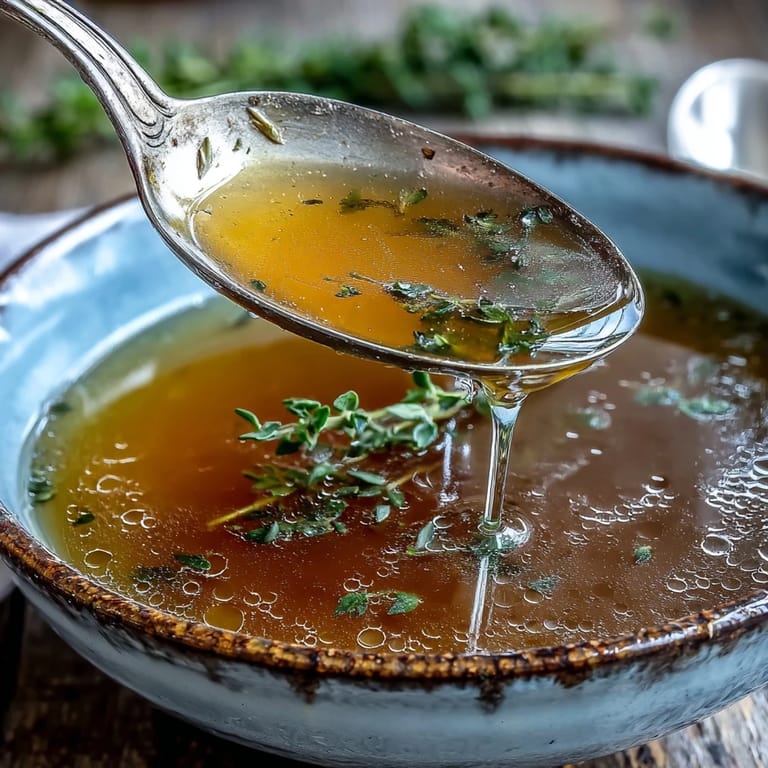
Save Making your own Vegetable Broth From Scraps is a rewarding way to turn kitchen leftovers into a nourishing, aromatic staple. This simple technique transforms trimmings that would otherwise be discarded into a flavorful gold liquid, perfect as a base for your favorite recipes or for sipping on its own.
Save Instead of tossing out your onion skins, carrot peels, and celery ends, keep a container in your freezer to collect them. Once you have enough, you can brew a batch of this clean, vegan, and gluten-free broth that far surpasses any store-bought alternative in both flavor and nutrition.
Ingredients
Tired of Takeout? 🥡
Get 10 meals you can make faster than delivery arrives. Seriously.
One email. No spam. Unsubscribe anytime.
- Vegetable Scraps: 4 cups assorted vegetable trimmings (carrot peels, onion skins, celery ends, leek tops, mushroom stems, parsley stems, garlic skins, etc.)
- Aromatics & Seasoning: 1 bay leaf
- 5–7 black peppercorns
- 2 cloves garlic (crushed, optional)
- 1 teaspoon salt (optional, adjust to taste)
- 1 sprig fresh thyme or 1/2 teaspoon dried thyme (optional)
- 8 cups (2 liters) cold water
Instructions
- Step 1
- Collect clean, fresh vegetable scraps in a large bowl. Avoid using potato peels, brassicas (like broccoli, cauliflower, cabbage), or overly starchy/sweet vegetables, as they may add bitterness or cloudiness.
- Step 2
- Place the vegetable scraps, bay leaf, peppercorns, garlic, salt, and thyme in a large stockpot.
- Step 3
- Add the cold water, ensuring all scraps are submerged.
- Step 4
- Bring to a boil over medium-high heat, then reduce to a gentle simmer.
- Step 5
- Simmer uncovered for 45–60 minutes, occasionally skimming off any foam.
- Step 6
- Taste and adjust seasoning if needed.
- Step 7
- Strain the broth through a fine-mesh sieve or cheesecloth into a clean container. Discard the solids.
- Step 8
- Let the broth cool, then store in airtight containers. Refrigerate for up to 5 days or freeze for up to 3 months.
Zusatztipps für die Zubereitung
For a richer flavor, roast the vegetable scraps in the oven at 200°C (400°F) for 20 minutes before simmering. This caramelizes the sugars in the vegetables and adds a deeper color and complexity to your finished broth.
Varianten und Anpassungen
Add a small piece of kombu or a few dried mushrooms during the simmering process for extra umami. You can also customize the herb profile by adding parsley or rosemary depending on what you have in your scrap collection.
Serviervorschläge
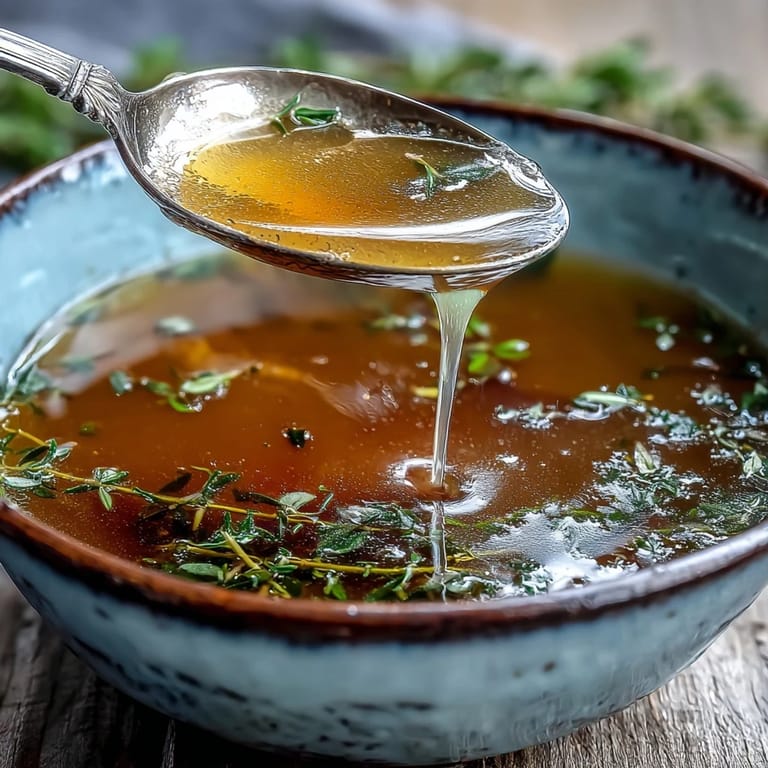
Use this broth as a flavorful base for homemade soups, risottos, and cooked grains. It is also mild and nourishing enough to be enjoyed as a simple, warm beverage to support hydration and wellness.
 Save
Save Your homemade broth can be stored in the refrigerator for up to 5 days. For longer-term storage, freeze the broth in airtight containers or ice cube trays for up to 3 months, ensuring you always have a healthy soup base ready to go.
Recipe FAQs
- → What vegetables work best for homemade broth?
Carrot peels, onion skins, celery ends, leek tops, mushroom stems, and parsley stems create the most flavorful base. These aromatic vegetables release deep savory notes when simmered.
- → Which scraps should I avoid using?
Skip potato peels, brassicas like broccoli and cauliflower, and overly starchy or sweet vegetables. These can add bitterness or unwanted cloudiness to your finished liquid.
- → How long does this broth stay fresh?
Store in airtight containers in the refrigerator for up to 5 days, or freeze for 3 months. The broth maintains its flavor and quality well when properly sealed and frozen.
- → Can I enhance the flavor further?
Roast vegetable scraps at 200°C (400°F) for 20 minutes before simmering to develop deeper, caramelized notes. Adding kombu or dried mushrooms introduces extra umami richness.
- → Should I salt the broth?
Keep salt minimal or optional since this base will likely be used in other dishes. You can always adjust seasoning later when incorporating the broth into soups, stews, or grain dishes.
- → What's the best way to strain the broth?
Pour through a fine-mesh sieve or double-layered cheesecloth to remove all solids. This technique ensures a clear, clean liquid free from vegetable particles and sediment.