 Save
Save I discovered the magic of the waterfall grazing board entirely by accident at a dinner party where I'd overstuffed a regular board and everything started cascading onto the table—and instead of being embarrassed, my guests were mesmerized. That happy mistake taught me that imperfection and abundance, when done intentionally, create something far more memorable than a neat arrangement ever could. Now I deliberately design boards this way, letting ingredients spill and tumble like they're too generous to be contained. There's something about a board that breaks its own boundaries that makes people want to dive in.
I made this for my sister's engagement celebration, and watching her friends photograph it before touching a single thing told me everything about why this board works—it's a conversation starter wrapped in charcuterie. The best part was seeing people who'd normally pick carefully at food suddenly feel free to grab handfuls, laugh, and share bites across the tumble of cheese and fruit. That's when I knew this wasn't just about feeding people; it was about giving them permission to be a little less careful.
Ingredients
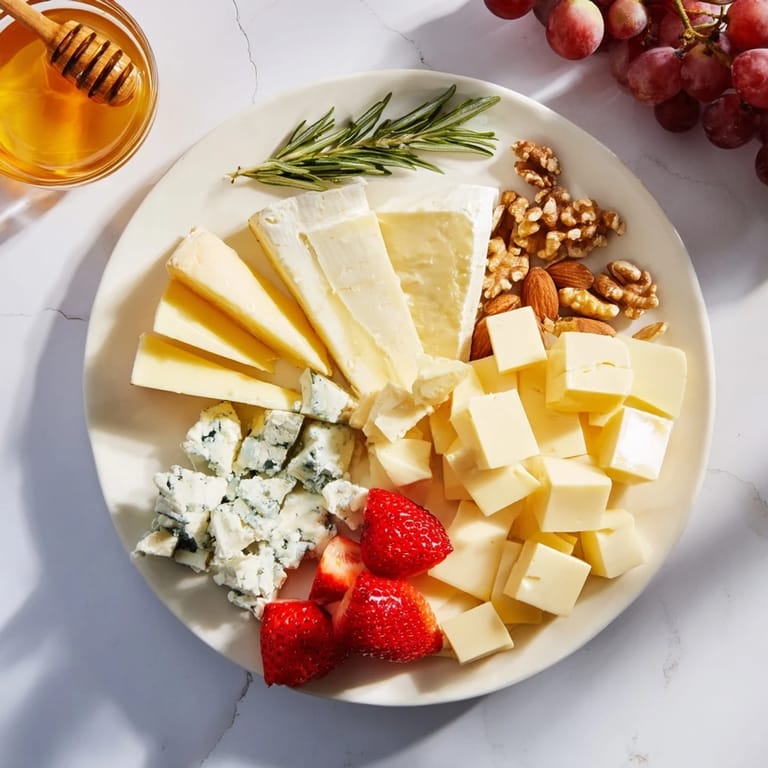
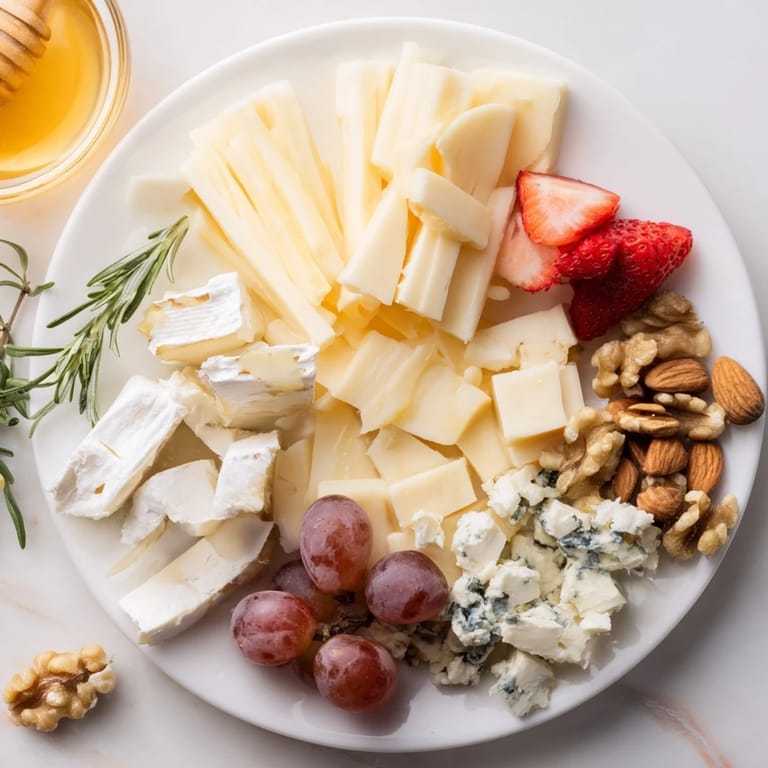
- Brie, sliced (150g): Brie's creamy texture slides beautifully off the edge and gets people reaching first—it's your anchor of indulgence.
- Aged Cheddar, cubed (150g): Sharp enough to stand up to sweet elements, and the cube shape lets it nestle into gaps and tumble naturally.
- Blue cheese, crumbled (100g): A small amount goes a long way, creating pockets of bold flavor for adventurous eaters.
- Goat cheese, sliced (100g): Mild and creamy, it bridges the gap between soft and sharp and stays stable as it cascades.
- Prosciutto (100g): The thinner you can find it, the better it drapes and creates those elegant folds that scream sophistication.
- Salami, sliced (100g): Choose a variety that holds its shape so pieces don't scatter and get lost in the arrangement.
- Red grapes in small clusters (1 cup): Keep them in little groups so they roll naturally off the board and onto the table—guests will follow them.
- Strawberries, halved (1 cup): Halving them prevents rolling and lets the beautiful red interior catch the light as they cascade.
- Blueberries (1/2 cup): These tiny spheres are your wild card—they roll where they please and add visual surprise.
- Pear, thinly sliced (1): Slice just before serving to prevent browning, and layer them so they fan slightly as they fall.
- Dried apricots (1/2 cup): Their warm color anchors the board and offers chewy sweetness that plays beautifully with salty elements.
- Dried figs, halved (1/2 cup): Split them to show their gorgeous interior and they become art pieces as much as food.
- Almonds (1/3 cup): Leave them whole so they catch light and scatter like treasures across the surface.
- Walnuts (1/3 cup): Their irregular shape means they nestle into crevices perfectly.
- Baguette, sliced and toasted (1): Toasting adds crunch and prevents sogginess from juicy fruits and soft cheeses.
- Assorted crackers (150g): Mix textures and colors—some should stand vertically to catch the eye and lean precariously off the edge.
- Honey (1/4 cup): Keep it in a small shallow bowl and drizzle a few drops trailing off the board's edge.
- Fig jam (1/4 cup): Dark and glossy, it looks like liquid jewels and pairs with nearly every element.
- Mixed olives (1/4 cup): Scatter some on the board and leave a small trail onto the table below for visual continuity.
- Fresh herbs, rosemary and thyme: Tuck sprigs into gaps for color and fragrance—they're edible confetti.
Tired of Takeout? 🥡
Get 10 meals you can make faster than delivery arrives. Seriously.
One email. No spam. Unsubscribe anytime.
Instructions
- Set your stage:
- Choose a large wooden or marble board and position it so roughly a quarter of it hangs past the table's edge, with clean floor or parchment paper below to catch the intentional spill. This is your canvas, and the slight tilt is what makes everything want to fall.
- Create the cascade foundation:
- Arrange your cheeses in overlapping layers starting near the board's edge, with softer Brie slightly closer to the precipice and harder Cheddar tucked behind. Let a few pieces extend 2-3 inches past the board's boundary as your visual promise that this is meant to spill.
- Drape the meats:
- Layer prosciutto in gentle waves beside and over the cheese, letting it fold and wave naturally as it moves toward the table. The translucent folds of cured meat are what catch light and make people lean in.
- Add the fresh fruits:
- Nestle grape clusters and strawberry halves into the cheese gaps, with some intentionally positioned so they roll slightly onto the table. The movement of fruit adds life and invites people to complete the journey you started.
- Scatter dried elements:
- Tuck dried apricots and halved figs throughout, positioning some upright so their interiors show, and scatter almonds and walnuts so they sit in natural crevices. These elements add warmth and texture while filling negative space.
- Position bread and crackers:
- Lean some toasted baguette slices and crackers vertically against cheese, create small stacks that appear to tumble, and position a few horizontally as they're actively sliding off. Vertical elements draw the eye upward and make the board feel more dynamic.
- Set your liquid jewels:
- Place small shallow bowls of honey and fig jam on the board, then drizzle a small amount leading off the edge like a sweet river. Scatter a few olives directly on the board and leave a small trail of them on the table below for continuity.
- Garnish and serve:
- Tuck fresh rosemary and thyme sprigs into gaps throughout, paying special attention to the cascade area where they'll frame the tumbling ingredients. Bring everything to the table immediately while the arrangement feels full and abundant, and encourage guests to pick from both the board and the floor-level elements.
 Save
Save The real moment this board became my favorite entertaining trick came when I watched my normally formal uncle abandon his chair to stand at the board's edge, unabashedly eating everything within reach like a kid at a candy store. That's when I understood that elegant doesn't have to mean restrained—sometimes abundance and permission to be a little messy is what actually brings people together.
The Art of the Intentional Spill
The entire philosophy of this board hinges on the idea that falling off isn't a mistake—it's the design. I used to stress about neat arrangements until a friend pointed out that food on the table isn't wasted; it's part of the experience. Now I think about the waterfall board as a permission structure: by making some elements intentionally escape the board's boundaries, I'm telling guests that they don't need to be precious about how they eat. Grab a handful of nuts, pull a draping slice of prosciutto, follow the trail of olives off the edge—it all feels intentional and welcoming.
Timing and Temperature Considerations
Unlike hot dishes that demand split-second timing, the beauty of a grazing board is that it sits at room temperature and actually improves as it rests because flavors meld and people's initial hesitation melts into comfortable grazing. I've learned to assemble the board no more than 30 minutes before serving so cheeses stay at their creamiest and fruits don't begin to weep into the wood. The only real time pressure is keeping pears and avocados (if you add them) away from oxygen—everything else is remarkably forgiving and can sit for a good hour without looking sad.
Customization and Flavor Pairing
This board thrives on contrast—soft against hard, sweet against salty, delicate against bold—so feel free to swap elements based on what's in season or what your guests prefer. I've done entirely vegetarian versions that no one misses the meat from, created chocolate and candied nut versions for dessert, and once assembled a completely vegan board that converted a skeptical friend simply because the variety was so compelling. The magic isn't in following my exact list; it's in building a board that tells a story of abundance and choice.
- For a vegan version, seek out plant-based cheese that actually melts and tastes like something (not all are created equal) and double your nut and dried fruit quantities.
- Add candied pecans, dark chocolate shards, or crystallized ginger for sweetness without making it a dessert board.
- Pair with a crisp white wine, sparkling rosé, or even a light beer—avoid heavy reds that compete with delicate flavors.
 Save
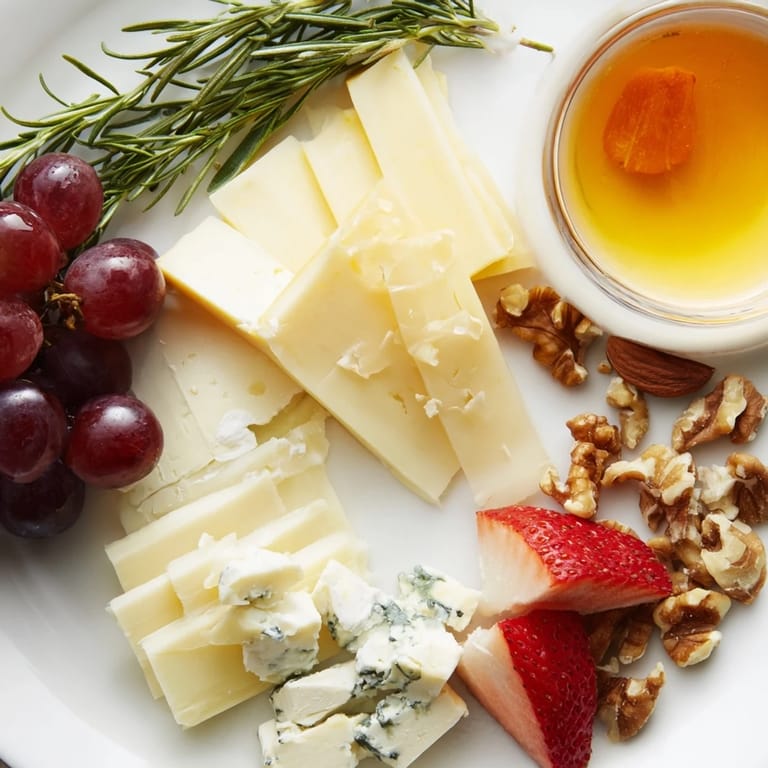
Save The waterfall board taught me that hospitality isn't about perfection; it's about abundance and permission. Serve this and watch people's shoulders relax as they realize they can eat exactly how they want to.
Recipe FAQs
- → What types of cheeses work best for this board?
Soft cheeses like Brie and goat cheese combined with firm aged cheddar and blue cheese provide a balanced texture and flavor contrast.
- → Can this board be made vegetarian or vegan?
Yes, omit cured meats for a vegetarian option. For vegan-friendly, replace dairy cheeses with plant-based alternatives.
- → How do I achieve the cascading waterfall effect?
Arrange ingredients so some extend beyond the board edge, layering cheeses and fruits to create a flowing, abundant appearance.
- → What accompaniments pair well with this board?
Honey, fig jam, olives, and fresh herbs add sweetness, savoriness, and aroma complementing the variety of flavors.
- → How can I adapt the board for allergies?
Consider nut-free options, gluten-free crackers, and check cured meats and dried fruits for sulfites; choose substitutes as needed.